

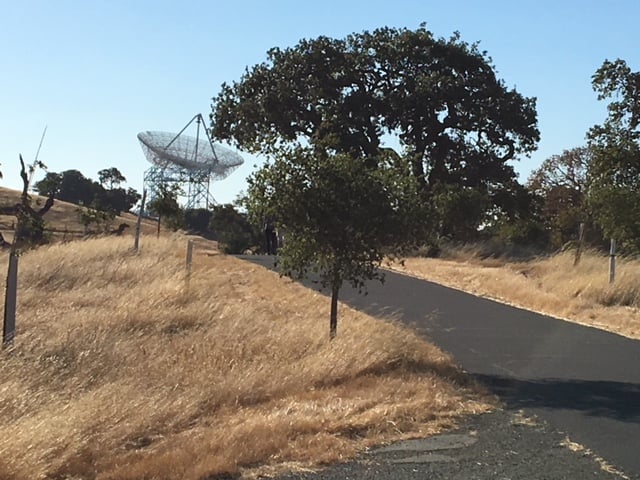
Performance of oaks, both existing and test-planted, as determined by former Apple Senior Arborist Dave Muffly. Please see www.oaktopia.org for more information on and photographs of many of the trees listed below.

Superior Performance
Quercus agrifolia – the most common native tree by far, but narrowly adapted endemic species vulnerable to climate disruption
Q. castaneifolia – potent, large oaks that need to be selected for growth habit and clean winter leaf drop
Q. cerris – selected for aphid-resistant taxa and clean winter leaf drop
Q. engelmannii – consistent performance of species and taxa, moderate size, generally upright growth, climate change adaptive replacement for both Q. agrifolia and locally-faltering Q. douglasii
Q. lobata – must be nursery selected for powdery mildew resistance and growth habit in nursery
Q. macrocarpa – close relative to Q. lobata, must be selected for powdery mildew resistance, bewildering array of taxa
Q. trojana – smaller, highly drought resistant oak with upright growth habit, but can make large acorns
Good Performance
Quercus calliprinos – handles harshest conditions, viciously spiny leaves, shrubby growth, pure form requires excellent soil drainage
Q. canbyi – promising moderate size oak with attractive winter color, not for harsh sites
Q. gambelii – closest natural relative to Q. lobata but smaller, must be selected for powdery mildew resistance
Q. shumardii – must be selected in nursery for clean winter leaf drop, oversize basal flare
Q. polymorpha – late fall new growth often killed by low temperatures, variable winter leaf drop
Adequate Performance
Quercus nigra – variable chlorosis resistance, weak branch attachments, slow growth, lack of drought resistance
Q. coccinea – hold dead leaves in winter until maturity, oversize basal flare, lack of drought resistance
Variable Performance
Quercus ithaburensis – true Q. ithaburensis is a solid performer, but most available seed is hybridized and variable
Q. lobata – staggering variability in powdery mildew resistance and growth habit, with good trees fantastic and bad ones tragic
Compromised Performance
Quercus robur – sooty mold on all specimens observed throughout Bay Area
Q. robur ‘Fastigiata’ – controversial growth habit, hold dead leaves in winter
Q. ×sargentii – hybrid with Q. robur. Good growth but consistent sooty mold
Q. douglasii – incessant powdery mildew, highly compromised growth, natural seedlings rare
Q. kelloggii – exhibit a wide variety of leaf diseases when grown outside native range
Q. chrysolepsis – not a survivor species on valley floor – all historical specimens planted died young
Q. palustris – prone to severe chlorosis, hold dead leaves in winter, typically very short-lived
Q. turbinella hybrids – prone to severe powdery mildew


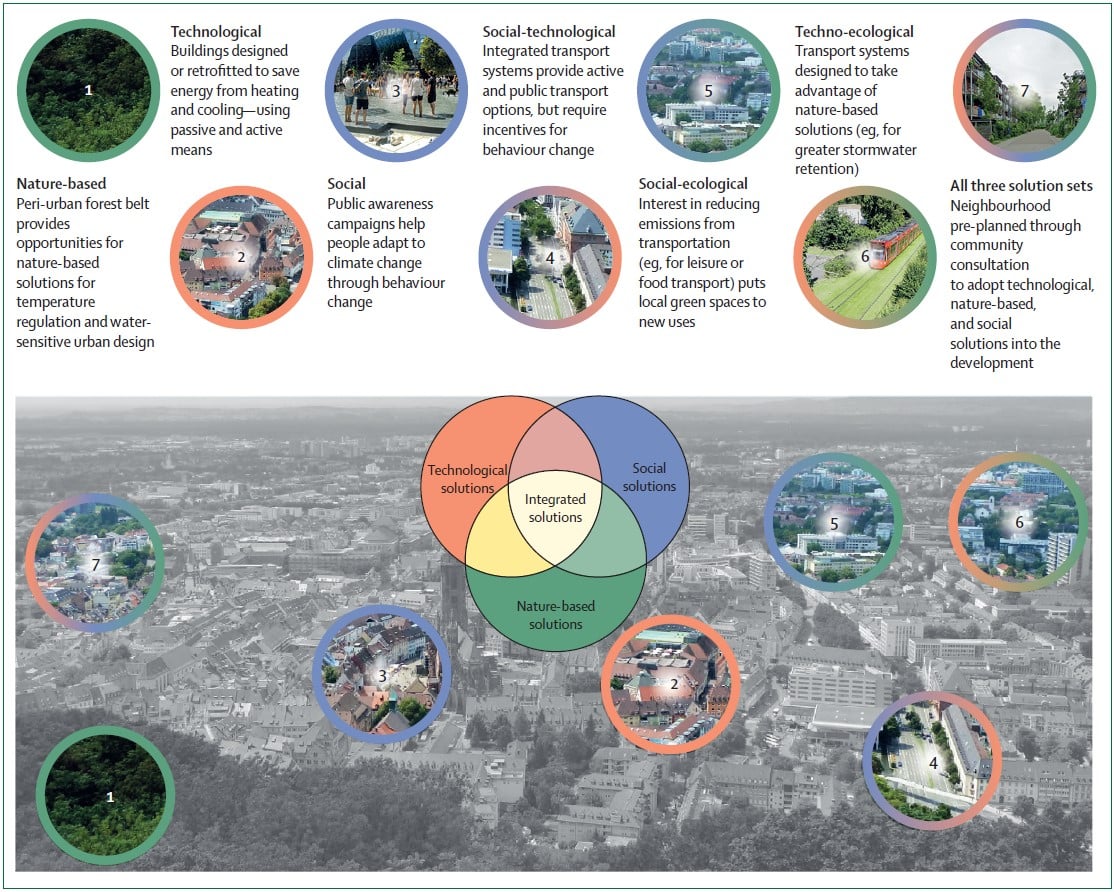
Ground Up Science for Greener Cities with Garden Futurist Dr. Alessandro Ossola
Spring 2023 Listen to the Podcast here. Alessandro Ossola is a scientist who gets very excited about the challenge of climate change allowing for an
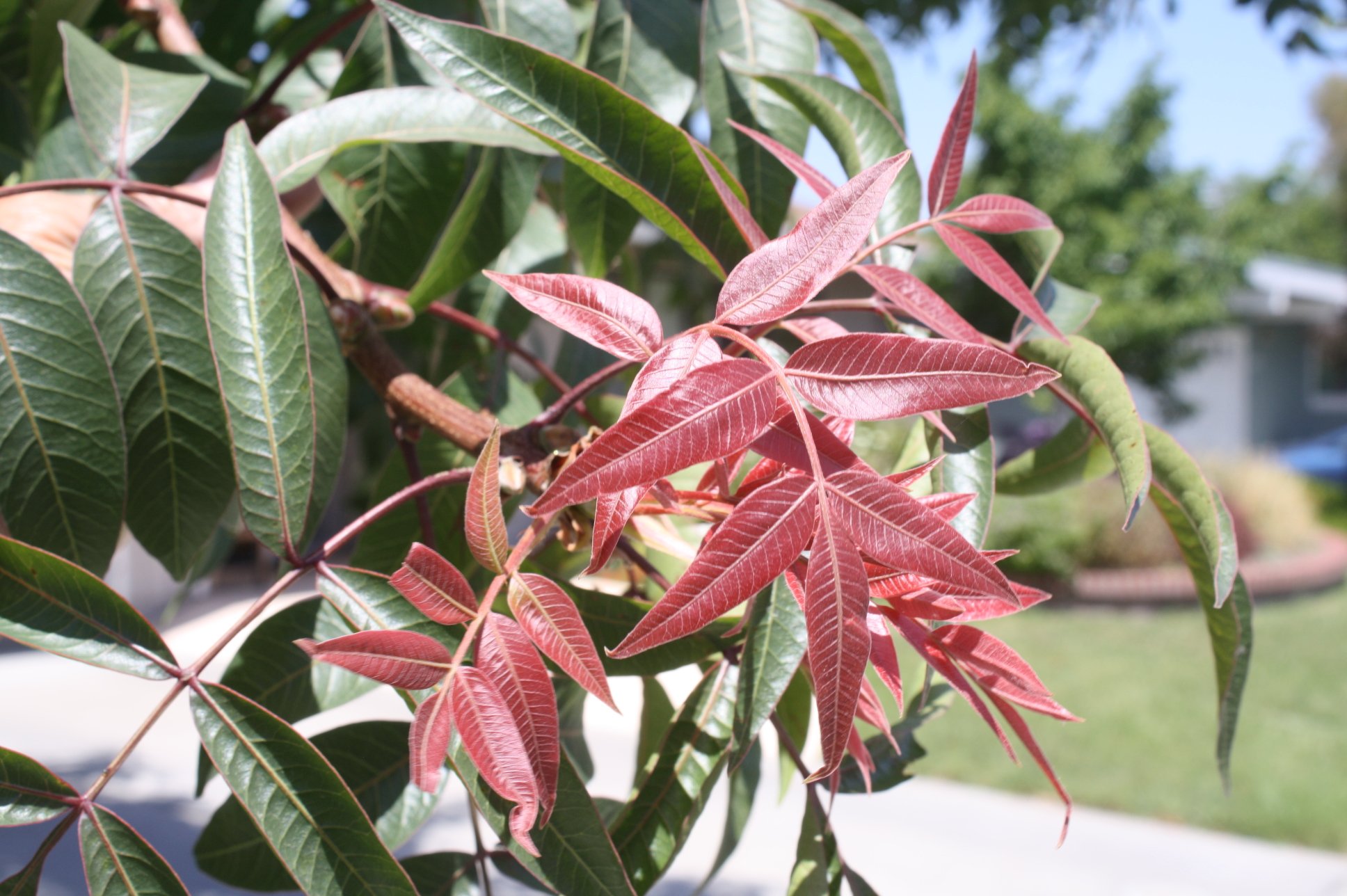
Readying Urban Forests for Climate Realities with Garden Futurist Dr. Greg McPherson
Winter 2023 Listen to the Podcast here. “Going from the mow and blow to a more horticulturally knowledgeable approach to maintaining the landscape. And that
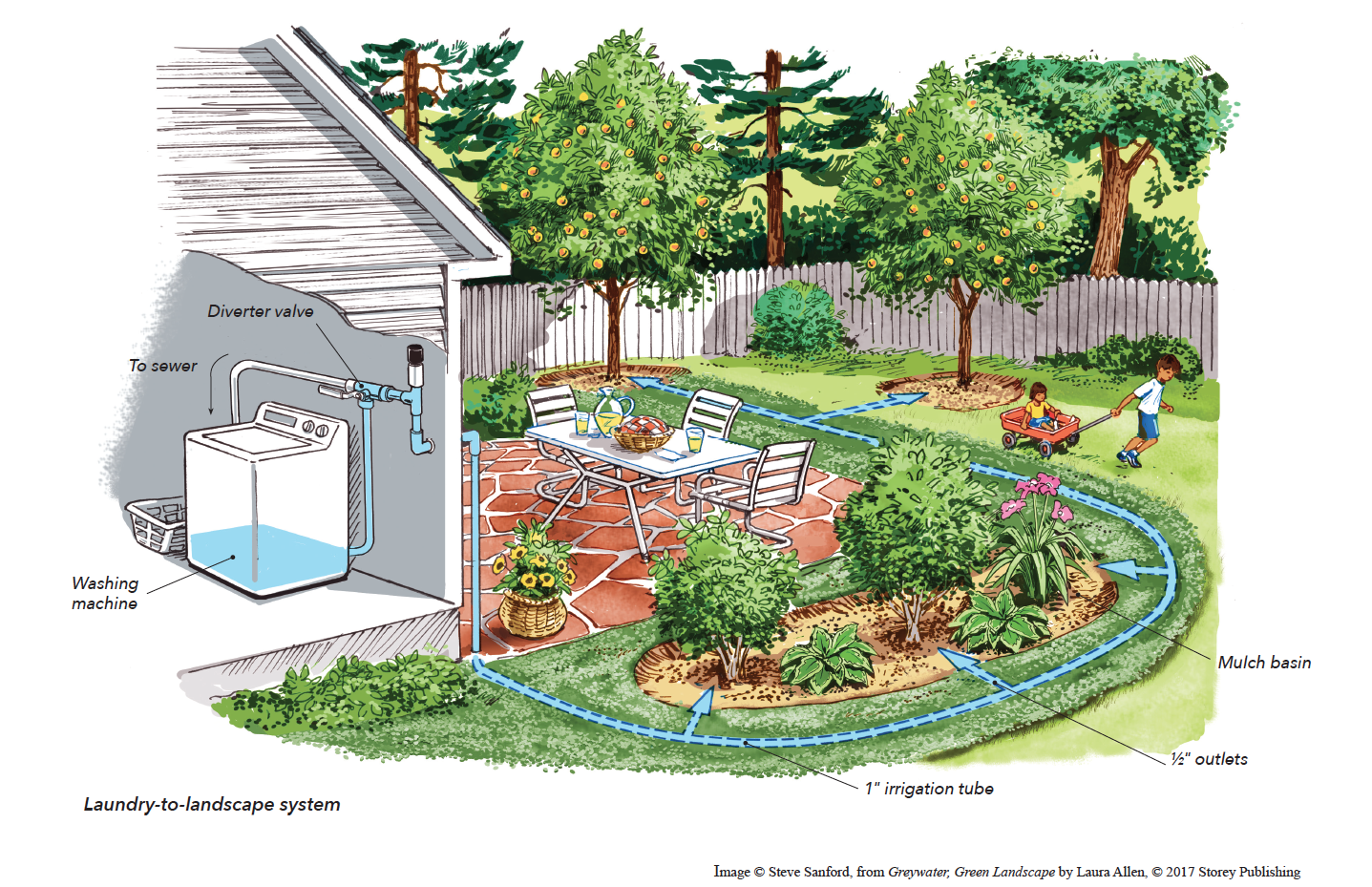
Welcome, Greywater, to the Garden
Summer 2022 Oh, summer: delightful warm air, tomatoes swelling on the vine, fragrant blooms on an evening stroll. When it’s warm and rainless, how is
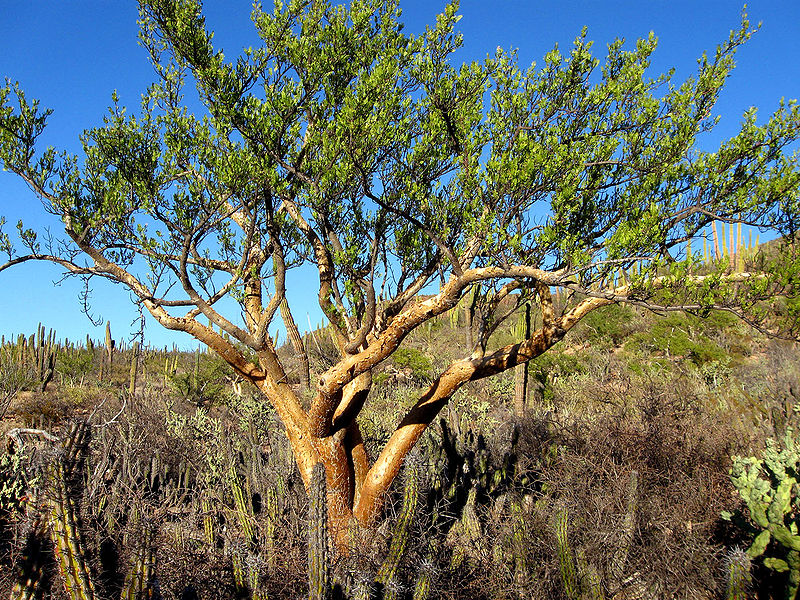
Big Tree-Data and Big-Tree Data with Garden Futurist Matt Ritter
Summer 2022 Listen to the full Garden Futurist: Episode XV podcast here. We are in an environmental crisis right now in many parts of California
Responses