It is common to think of garden design and garden maintenance as two separate activities and skill sets. For a Japanese gardener, design and maintenance become interwoven in the daily routine. Pruning the trees and shrubs, defining the edges of moss beds, even raking the leaves will have an impact on the look and feel of the garden. Every action a gardener takes is a brushstroke on the canvas of the design.
Back in 2014, Tomoki Kato of the Kyoto-based Ueyakato Landscape company gave a presentation on the maintenance of Japanese gardens. Kato suggested that we should use the term fostering, rather than maintenance, to describe the work that is necessary to invoke the desired feelings when experiencing a Japanese garden. Fostering includes having a vision of where the garden is now, and where it might go in the future. To this end, a gardener must develop skills beyond basic garden maintenance. One must focus on learning the garden designer’s intent, and beyond that, the gardener needs to understand good design principles.
Gardens are not static museums. They are living, evolving spaces that cannot remain unchanged even if that were the goal. When considering how to continue the best experience for garden visitors, one must consider evolving conditions, as well as changing uses of the space.
Rather than ignoring history and legacy, this involves acknowledging and adapting to changing conditions in ways that continues the intended feeling in the original design. When a garden tree fails, it is gone. It cannot be replaced with an exact match. This requires selecting and then training a replacement tree that will exist in that space in a way that feels appropriate. In some situations, it means not replacing the tree at all.
Japanese gardens are filled with elements that need to work together to create a greater whole. Trees, shrubs, stones, and architecture are all instruments in a larger symphony. When one element changes, the gardener’s goal is to make sure that the landscape continues to function in a way that is harmonious.
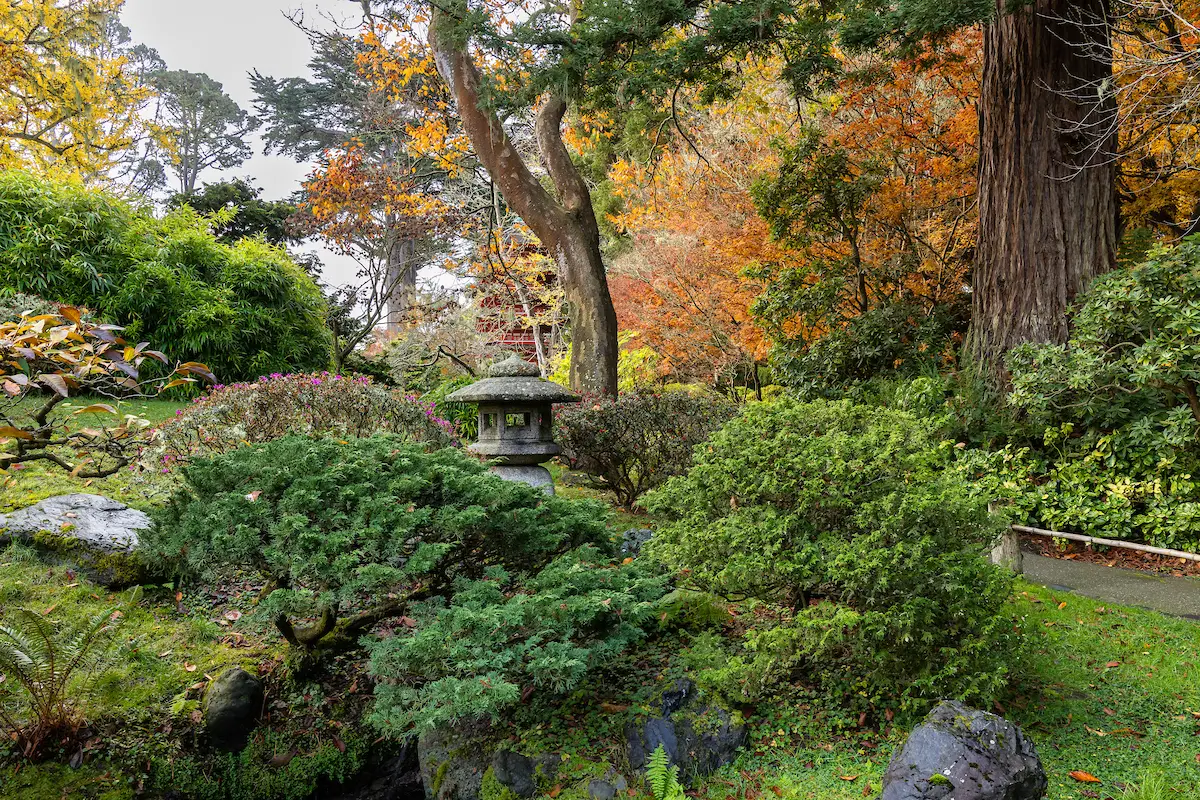
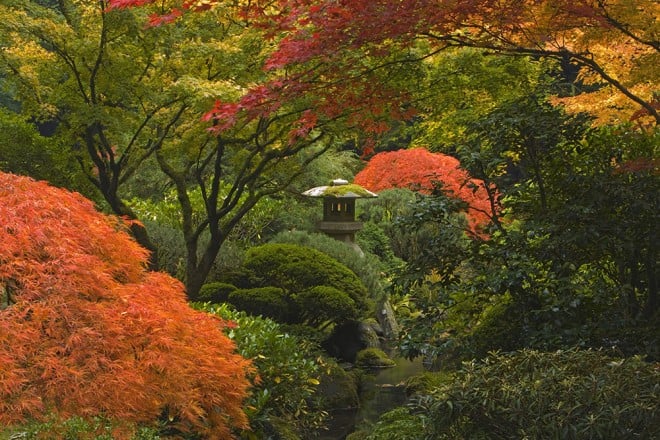
Stone lantern in Japanese Tea Garden in December - Gardens of Golden Gate Park, San Francisco California
My own journey is one of continuous learning. Japanese gardeners often express the idea that the garden can never be better than the gardener. In 2007, I took this sentiment to heart when I began working with the Japanese Tea Garden at the Gardens of Golden Gate Park in San Francisco.
So far, I have reviewed the history of this garden, including the structures, the plants, and the people who have had a hand in designing and managing this space. I traveled to Japan to visit the gardens where this 1,500-year-old art form developed. A foundation of understanding requires careful study of its building blocks, including tea, bonsai, and other elements of Japanese culture that inform the underlying aesthetic principles of Japanese garden design. These become tools in the gardener’s toolbox for when new challenges arrive.
In my opinion, hands-on learning is a deeper and longer-lasting method than any learning that comes from words. The distinguished gardener, designer, author, and teacher Kazuo Mitsuhashi led a pruning workshop at a Waza to Kokoro training offered by the Portland Japanese Garden in 2017. Watching his hands for 20 minutes as he pruned a Japanese maple provided more valuable information than could be learned in hours of lecture or reading. By watching, I could feel his more than five decades of experience, and, more powerfully, the love he had for the work. He emphasized keeping a beginner’s mind. Once you believe you are an expert, then learning stops and you might as well retire or move on to something else.
A good design can become something very different in short order if the garden is neglected or fostered by people who don’t understand how that design should be managed.
One very important element for Japanese gardens is the use of space. The term ma (間) is used to describe the space between objects in art, music, and garden design. We tend to think of this in Western culture as negative space. But ma is not an empty space. It is often filled with positive energy. The space between branches or the flat ground plane between garden features is as important as the features themselves. In addition to allowing us to more fully appreciate each garden feature, these spaces allow us to relax our minds and place ourselves physically, intellectually, and spiritually into the garden.
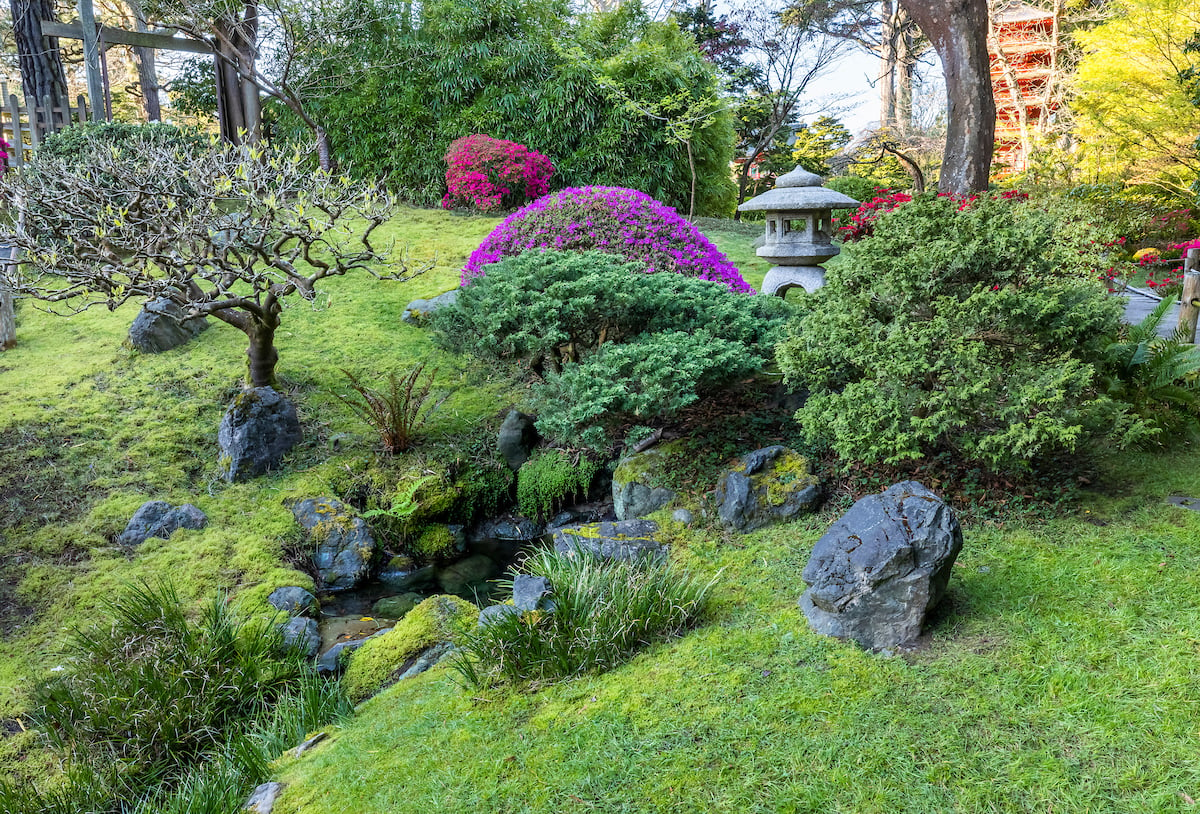
Sunken Garden, Spring in Japanese Tea Garden, Gardens of Golden Gate Park, San Francico, California
Over the years following World War II, the Japanese Tea Garden grew more densely planted. Generations of gardeners saw spaces in the garden as opportunities to plant more trees and shrubs. The garden became a dense forest that was pretty but lacked the calmness and rejuvenating qualities of a Japanese garden. When trees have failed in recent years, often the scene is improved without a replacement. Over time this has resulted in a garden with more ma.
Japanese gardens are built with green. A rule of thumb is to have deciduous trees make up no more than one fourth to at most one third of the garden. Spring flowers and fall colors are an important show of the changing seasons, but the shades and textures of green carry the garden year-round.
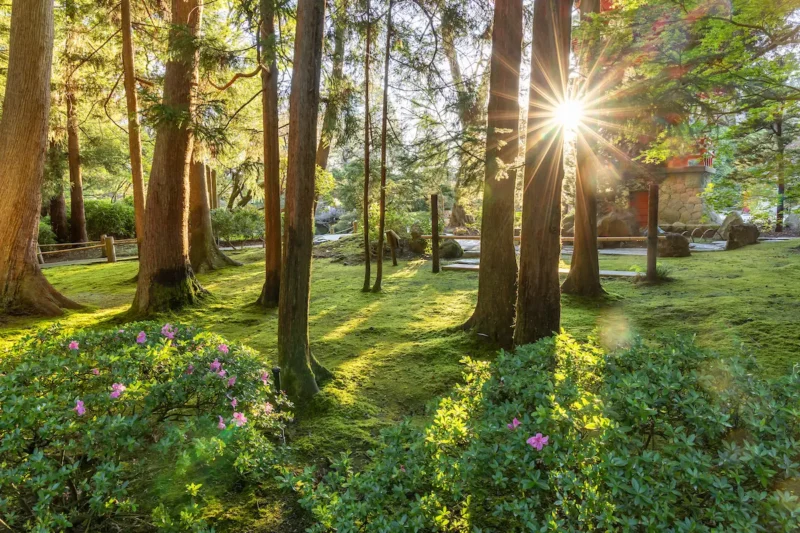
One element of gardens in Japan that stirs the soul is the deep green moss that covers the garden floor like a lush blanket. Garden designer Hoichi Kurisu says that if you could distill Japanese gardens into a single word, it would be love. Moss in the garden feels like that sentiment’s direct expression.
Twenty years ago, the Japanese Tea Garden had a few islands of moss, surrounded by beds that were managed using Western practices of applying layers of mulch. Mulch in a garden is a sound horticultural practice that preserves water and builds soil health. However, the decades-long practice of blowing leaves into the landscape buried the potential for a more transcendent Japanese garden experience.
Ten years ago, we began changing our cultural practice. We cleaned under the sugi (Cryptomeria japonica) trees and the camellia (Camellia spp.) forests. Some of these beds had been buried for so long that we unearthed flash cubes and beverage can pull tabs.
We planted no moss. Once the cultural practice of cleaning began, the existing moss spores found their opportunity. After just a few months of regular watering and cleaning, green patches began to appear. Within a year and a half, entire sections of the garden connected these isolated moss islands into a cohesive experience. Some of the best parts of the garden now are spaces that previously received little notice.
Having a crew that approaches work with a full heart is also important. If the team has a mindset of kaizen—a philosophy of constant incremental improvement—the collective sum will be greater than any individual effort. Once a week, the crew walks through the Japanese Tea Garden with a critical eye. The goal is to see the garden as a visitor and to find what the garden needs to improve the garden experience.
On a recent garden walk-through, the discussion settled on a hillside with bamboo that is trimmed to feel like mountains. Crew members Matthew Strader and Jim Kumiega pointed out that the arrangement had become out of scale against the trees and architecture of the surrounding design. They suggested a more severe size reduction to highlight the form of nearby pines, stones, and architectural features. The result was an immediate improvement to the design that will be carried forward with the management of this area.
Another change has come as a direct result of personal relationships with people connected to the history of the garden. Samuel Newsom designed a waterfall and hillside adjacent to our largest pond in 1965. Over the years, many of the trees on that hillside became very dense to the point that it was difficult to discern one plant from another. It was also difficult to see and appreciate the waterfall and beautiful stonework.
Through a friendship developed with his daughter Sylvia, we gained access to Newsom’s original drawings. The books of notes and original drawings that Sylvia shared led to an understanding that Samuel had intended his design to feel like a mountain scene. Trees that grow high in the mountains are subjected to harsher elements that cause the trees to grow slower and with less density.
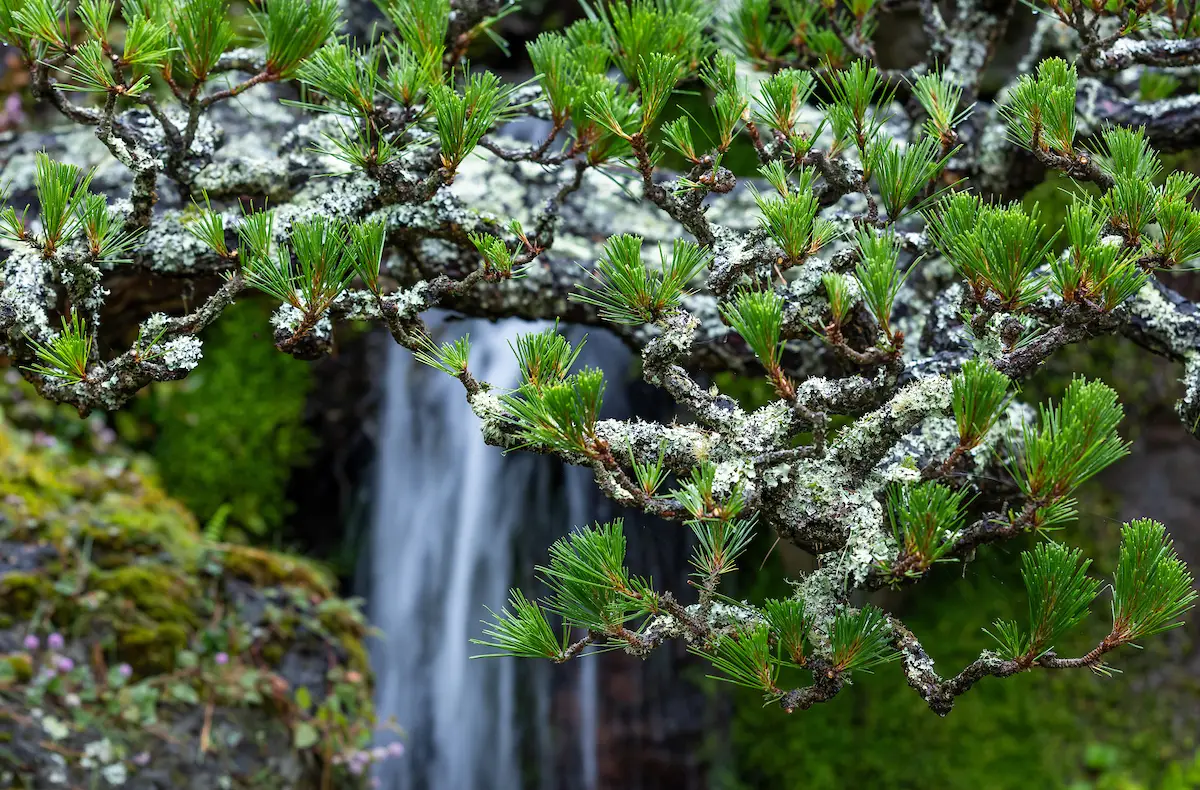
With this new understanding, we altered our cultural practices to focus on creating the feeling of a mountain landscape, thinning trees and removing some branches altogether. The trees now feel closer to those growing in higher elevations. In addition, better views of the stones and the waterfall create an interplay with the trees that is more balanced. The past has directly influenced the design in the present through people-to-people connections and learning about the garden’s history.
Monterey pine tree (Pinus radiata) pruned to reveal waterfall in Japanese Tea Garden, Gardens of Golden Gate Park, San Francisco, California
Gardeners working in Japanese gardens outside of Japan have resources to draw from. The North American Japanese Garden Association (NAJGA) began in 2009 with a group of individuals who desired to connect the people who work in Japanese gardens across the continent. This organization has grown into a community of people who have a wide variety of knowledge, skills, and perspectives. There are also partnerships with organizations in Japan and around the globe.
NAJGA has videos and webinars, as well as face-to-face training through lectures and hands-on workshops. Annual regional conferences and larger biennial conferences bring Japanese garden professionals and enthusiasts together to learn from each other through shared experiences. The organization and the people in it are full of opportunities to add tools to the gardener’s toolbox.
Understanding design will always put the gardener in a better position for decisions in garden maintenance. Adopting a mindset of constant improvement for the garden and for the gardener will inevitably lead down the path of design. Garden design is directed by decisions made by the gardener. The garden can never be better than the gardener.
Read More About Japanese Gardens
When we think of gardens in the West, we tend to focus on the plant, the tree, and the flower. But in traditional Japanese gardens it has been impossible to separate the garden from its supporting architecture. Space is treated as a continuum in which only a portion is roofed, with the remainder left open to the sky. In many respects the pavilion or temple is never the real subject of view, but serves instead as a sheltered space or bridge between two or more gardens. One does not look at the building, but instead sees through it.
We spread ideas that grow our landscapes toward a more livable, healthful, biodiverse, and resilient future.
Every dollar of support goes directly to creating educational content within our very lean operation. This supports our strategy to increase the number and impact of climate resilient gardens and landscapes.
Thank you for your support and for being a conduit for powerful ideas!






Responses