We envision a resilient world dependent on the thoughtful cultivation of plants

Inspiration from The Ruth Bancroft Garden: Designing the Lush Dry Garden

Articles: Inspiration from The Ruth Bancroft Garden: Designing the Lush Dry Garden

Summer 2026  

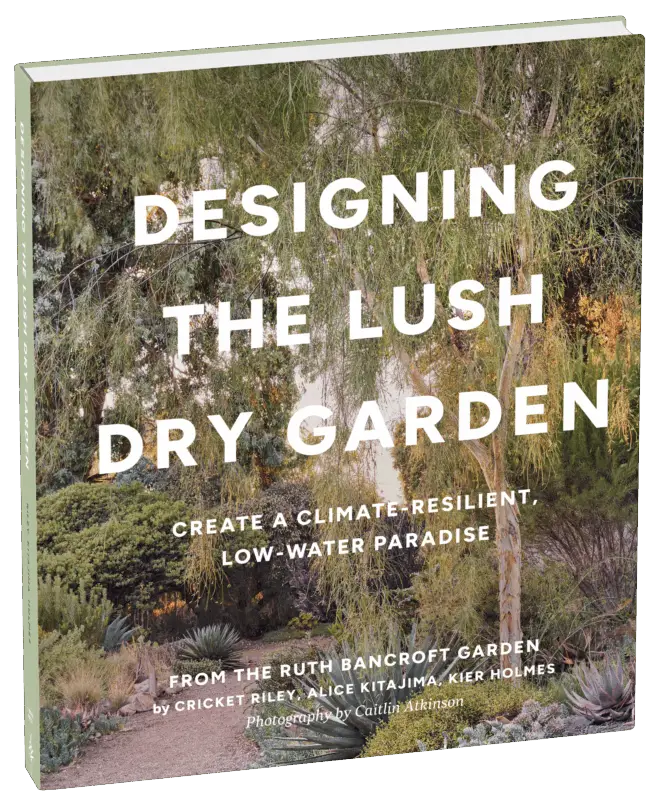
The words “drought tolerant” are hard to find anywhere in Designing the Lush Dry Garden, the new book from the team of experts from The Ruth Bancroft Garden in Walnut Creek, California (Timber Press, 2025). A clue to this omission is found in the subtitle, Create a Climate-Resilient Low-Water Paradise.

That clue, “climate,” is why this book is useful to anyone wanting a garden with a lush planting design: the trio of authors Cricket Riley, Alice Kitajima, and Kier Holmes recommend using plants that are “already adapted to your climate.” Climate resilience is the key to choosing healthy plants in any location, low water or not.

Walnut Creek, home to The Ruth Bancroft Garden, is a summer-dry climate where dry summers are not necessarily drought, but normal. But wherever one gardens, plant choices need to be well suited, tolerant, and resilient to that climate.

All the gardens in this book are directly inspired by The Ruth Bancroft Garden, and the chapters featuring “Essential” plants include suggestions the authors know from their experience.

Order your own copy by clicking the image above

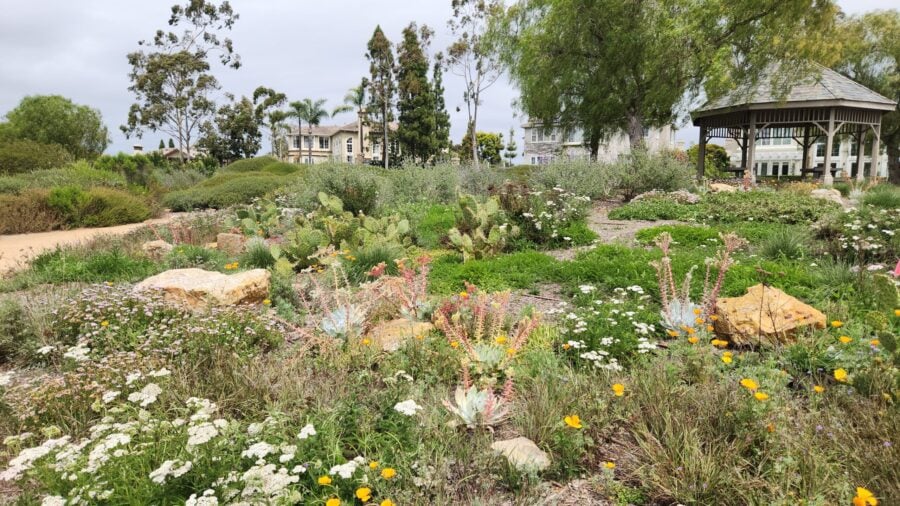
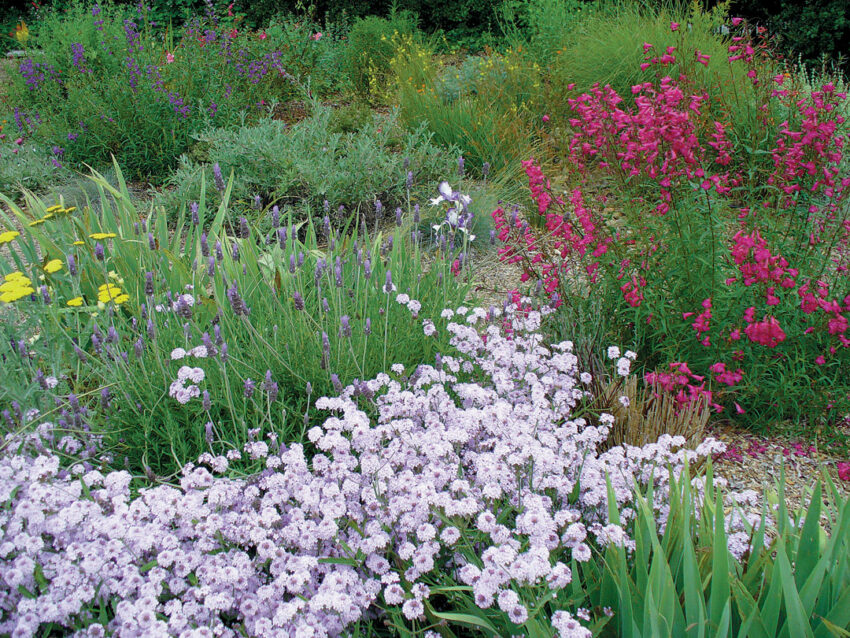
The gardens look particularly lush, thanks to the beautiful photographs by Caitlin Atkinson illustrating the design principles and showcasing the 17 gardens in the second half of the book. Superb photography is important in all the best garden books and this one should not be faulted by being regional and full of eye candy. Garden books are inherently guilty of promoting the look the authors know, too often without defining where the author is located. This book makes it very clear the authors are Californians.

The core of the book is that it uses universal design principles to create resilient gardens in any climate.

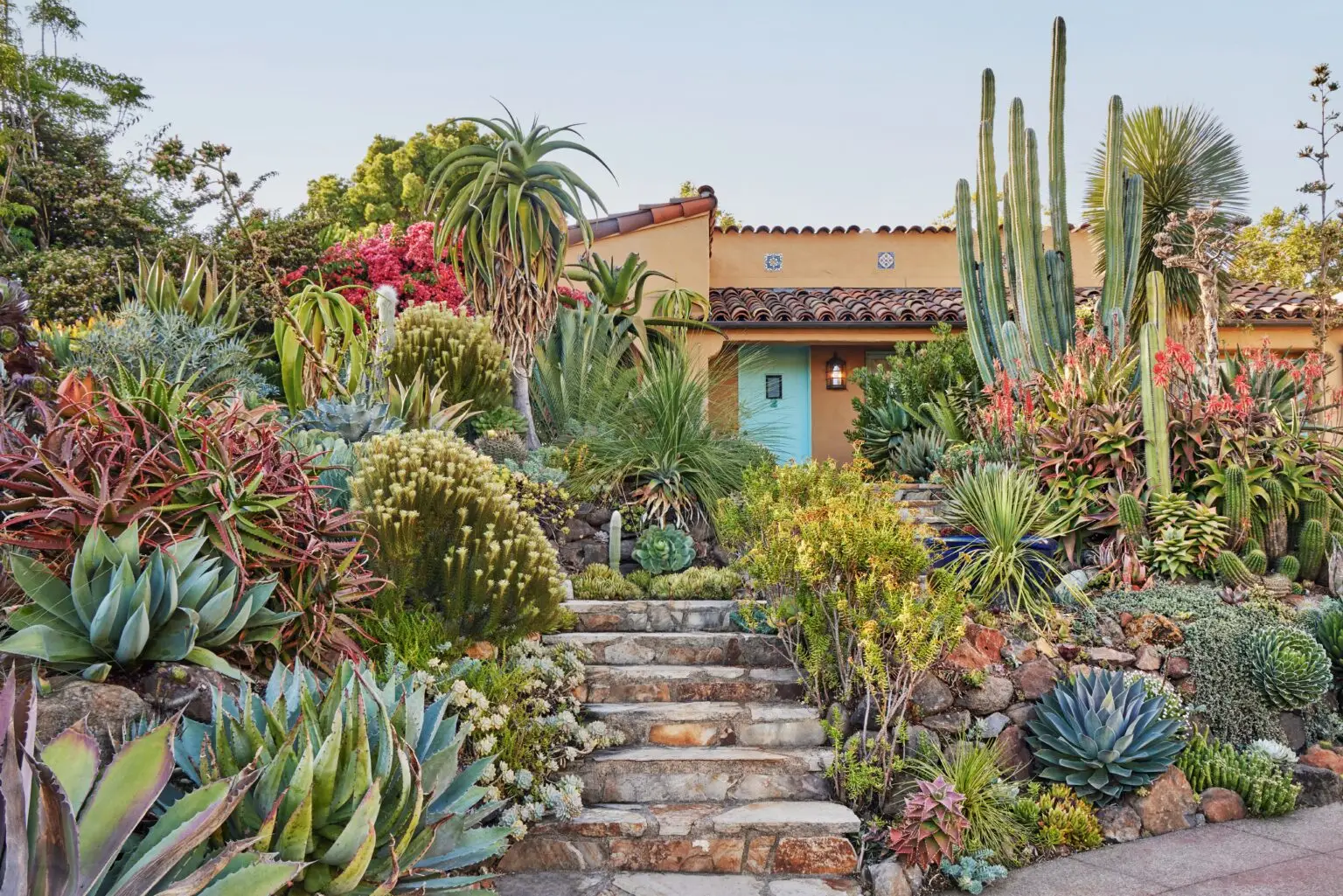
Walker’s garden beautifully blends with the style of the house. He shares, “From the fearful symmetry of an agave, to the kinetic, Dr. Seussian delight of a Xanthorrhoea, to the jewellike mimicry of a mesemb, drought-tolerant plants provide visual interest around the clock, whether they are flowering spectacularly or sitting completely dormant. If you learn what they want, and set them up for success, they will reward you with decades of low-maintenance, wondrous satisfaction.” Photo: Saxon Holt

The principles are tried and true: planning and design come first before the first plant goes into the ground. Anyone planning any garden should read and reread the ideas presented here to understand how systems work together.

Plant choice is one of many contributors to resiliency. Site analysis, design principles, color schemes, plant proportions, and garden flow are all universal considerations when considering landscape design. I wish the book had spent more time considering water conservation design techniques such as bioswales, water catchment, and rain gardens as critical to sustained resiliency in summer-dry climates, but those techniques were never a part of the garden when Ruth was creating it.

She was a true pioneer, searching for plants that were readily adapted to dry climates, rather than worrying about water conservation itself. The English cottage garden with thirsty shrubs and lush lawns was the garden aesthetic when she started, few people were concerned about water capture.

As the garden expanded and Ruth’s own understanding of climate-resilient plants grew, she brought in plants from other summer-dry parts of the world to the low-water paradise she was creating. These have become the core of the book’s plant “Essentials.”

The reliance on this core group of plants is both a strength and weakness of the book. All of the examples are directly influenced by the Bancroft garden and all gardens (except for one in Santa Barbara) come from Northern California. Each of the profiled gardens and their designers find inspiring ways to combine similar plants, for a Bancroft-esque look that is heavily dependent on succulents and those plant essentials identified in the original design program.

The beautiful examples are inspiring for anyone learning about design in any climate. Every climate has a resilient group of plants adapted to it, and it is no fault of the book whatsoever that this book is limited to one region. Indeed, it is inspiring to see how one iconic garden can inspire so many others, just as gardens in England, Japan, or Spain have inspired gardeners all around the world.

While the design section asks us to consider various garden styles before starting a garden, it is not a book about designing your outdoor living space or creating habitat gardens with ecosystem services, but quite directly how to create a lush garden in this dry climate. Any gardener in any climate can learn from this mix-and-match technique.

Throughout the book, we see the terms climate-appropriate, climate-resilient, climate-conscious, low-water, water-wise, but never “drought tolerant.” The term is seemingly reserved only for Ruth Bancroft Garden Manager Walker Young when he gives advice or talks about his own garden.

It is interesting to see Young’s own garden profiled, a garden without a “coherent composition,” according to him.


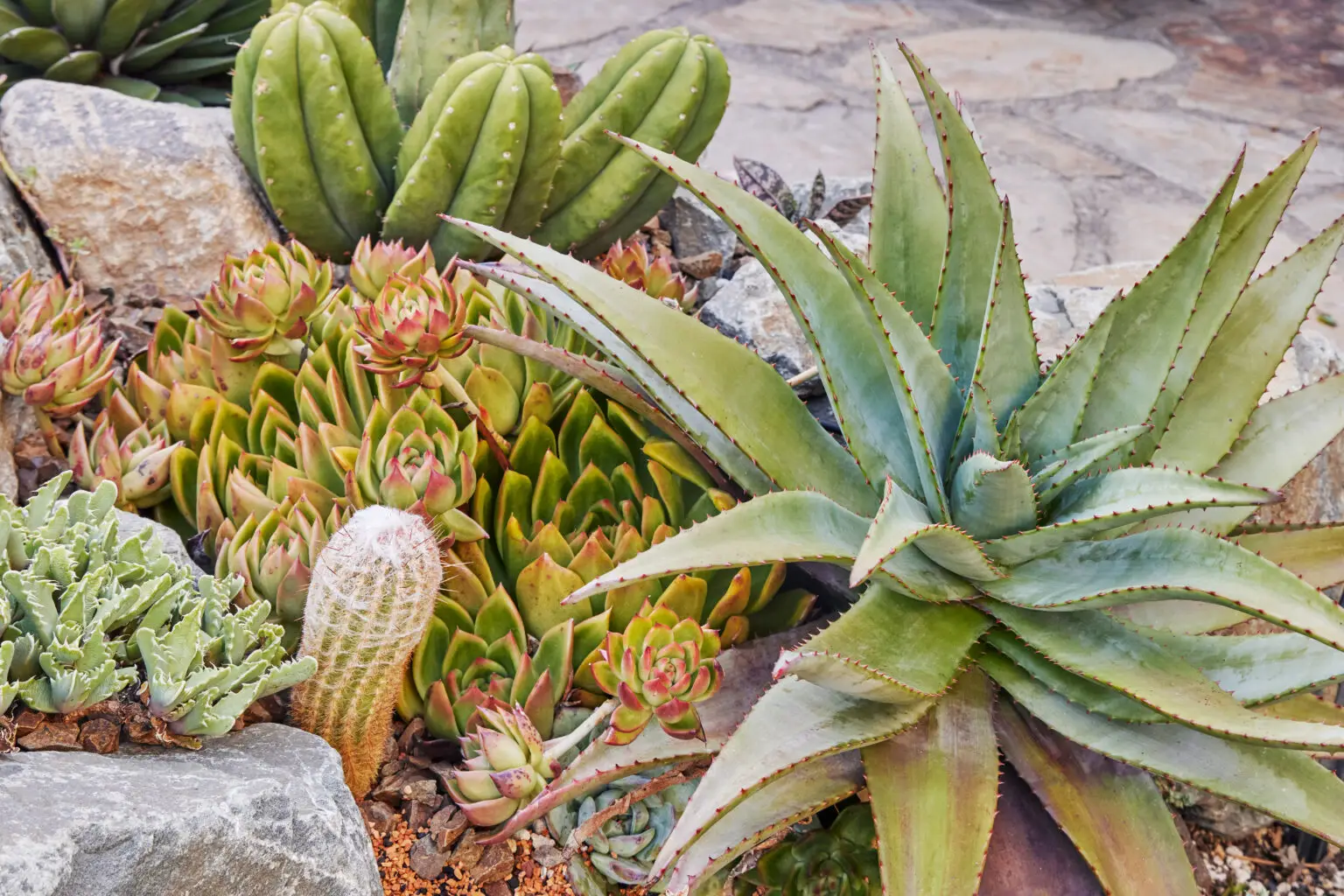
A textural vignette of Trichocereus scopulicola, Aloe conifera × A. ferox, and Echeveria agavoides ‘Giant Red’ . Photo: Saxon Holt

He confesses that his garden came together because he is a plant collector. He did not use those principles of design that the book so clearly lays out for others, instead using too many choice plants.

“Mistakes in his garden: not planning for maintenance access, not installing an entirely new irrigation system, not giving the eye or resting spot, not using large enough boulders to have long-term visual effect,” and more. But seeing the garden expertly photographed shows a different picture—the garden is a painting, “a living work of art.”

One can look at any of the gardens that are profiled in the book and apply any number of the principles of design that the authors have carefully laid out—or, in Young’s case, ignore them.

The authors ask us to consider a number of classic design principles: texture and contrast, proportion, foliage and color, groupings and layering, massing and repetition. Whether or not Young was conscious about these design principles is not important, with the right plants a lush look is clearly possible. Choosing the climate-resilient, climate-tolerant plants that paint a picture requires keen observation with an understanding of local conditions.

This is ultimately what the book is about. We want joy in our gardens, we want beauty, we want healthy plants, we want resiliency. This book is a very clear plan for success.


Book Review By: Saxon Holt, Summer-Dry Project

ORDER YOUR OWN COPY TODAY – CLICK HERE

Support more wonderful book reviews

Help eensure that Pacific Horticulture can continue to provide our optimistic stories of gardening in the Pacific Region

Become a Member or Make a Tax Deductible Donation Today

Share:

Facebook
LinkedIn
Email
Print

Responses

Related Posts

Powered By MemberPress WooCommerce Plus Integration