This could be the year that Portland Botanical Gardens finally gains a home to put down roots. The nonprofit, established in 2020, spent years tracking down a suitable space for a research-and-education-focused botanical garden focused on research and education in Portland, Oregon. In April 2024, Portland Botanical Gardens secured a purchase and sale agreement to acquire the McCormick & Baxter Superfund site and aims to complete the purchase by the spring of 2027.
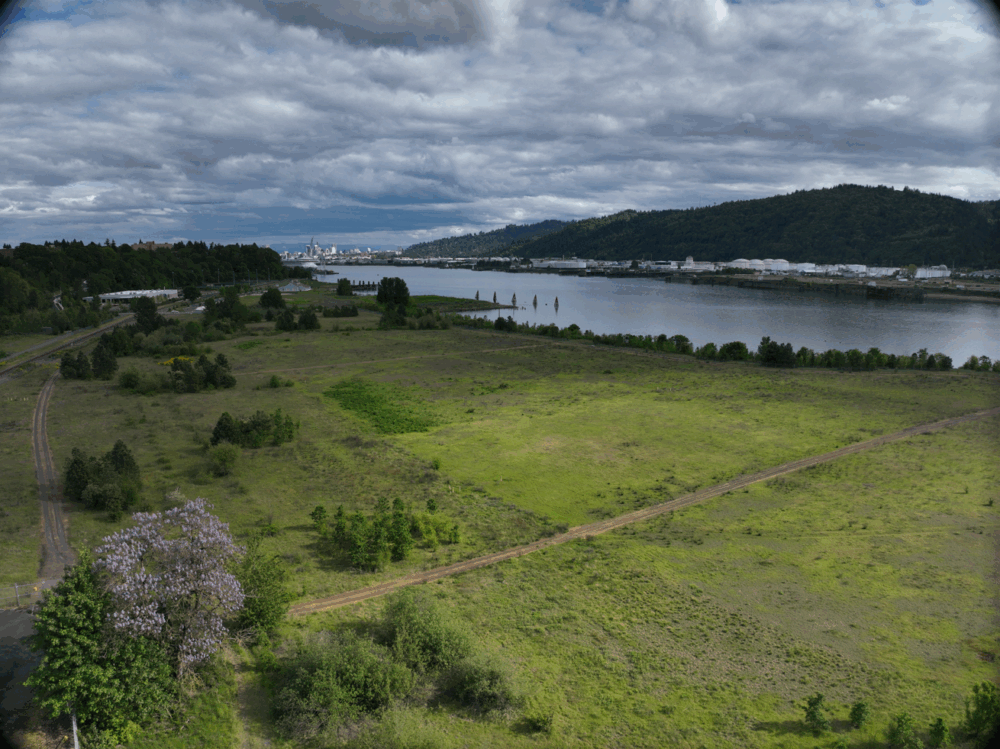
The proposed location for the Portland Botanical Gardens is situated along the north reach of the Willamette River, adjacent to the University of Portland and the future Willamette Cove Natural Area. With wide views of Forest Park, the river, and the bluffs of North Portland, the site offers extraordinary potential for establishing a riverfront botanical garden and showcasing a story of environmental remediation and healing.
Over the last two years, the nonprofit has conducted due diligence, site planning, and relationship-building to identify how the proposal will provide substantial public benefits—a key requirement for acquiring a Superfund site to compensate for the public funds that paid for remediation.
In 2025, Portland Botanical Gardens refined its vision into a Conceptual Master Plan, negotiated a Prospective Purchaser Agreement with Oregon Department of Environmental Quality, and now has a year to complete financing and acquire the site.
Biogeographic gardens
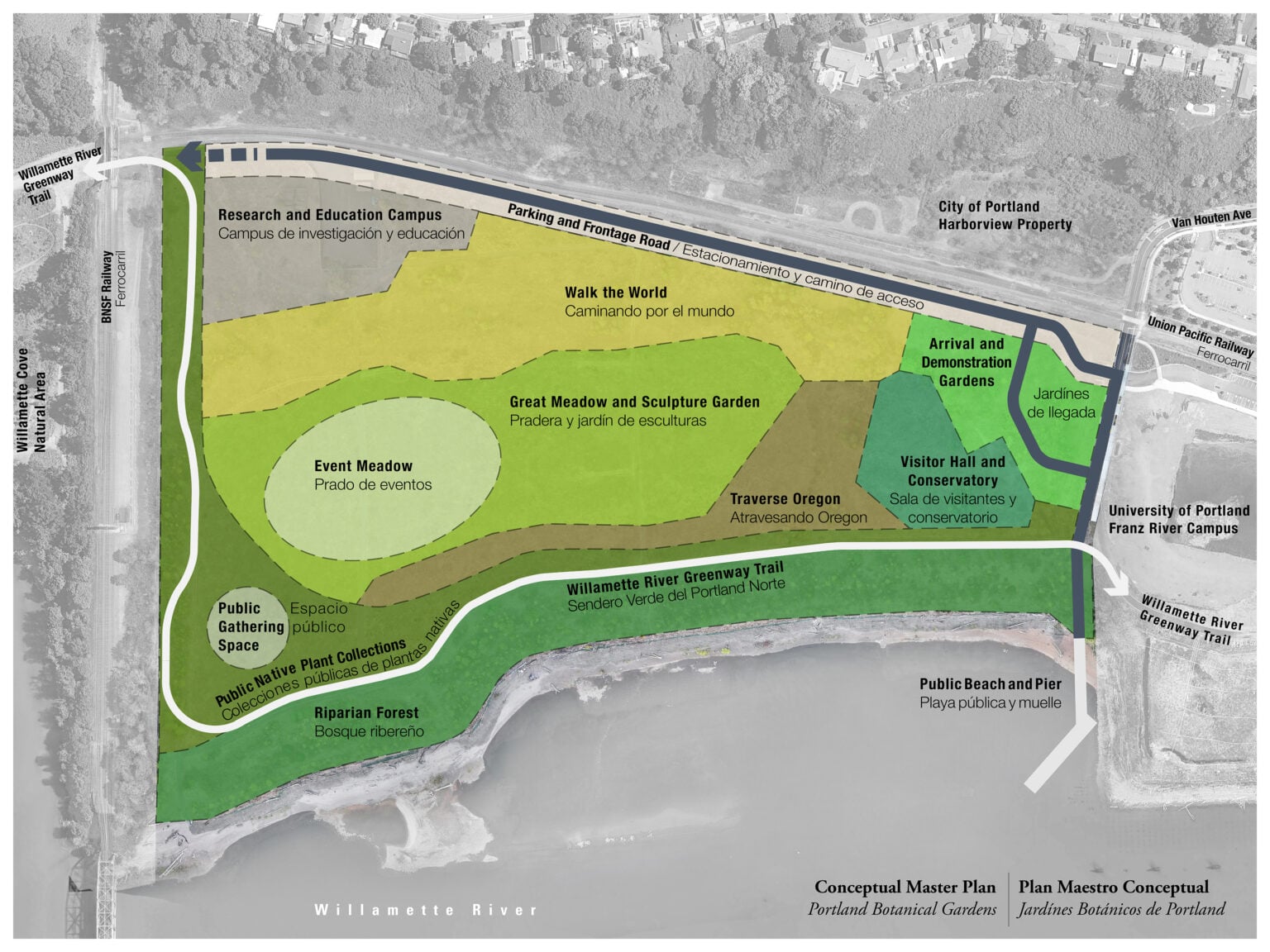
Conceptual Master Plan Rendering
Unlike early botanical gardens that grouped plants taxonomically, Portland Botanical Gardens will organize its collections by plant community and geographic origin. Curating the collections around biogeography—the environmental factors that shape plant distribution—bridges the gap between garden design and environmental education. This strategy also allows for multifaceted interpretations and features the ecological relationships, ethnobotanical uses, cultural significance, and planting design combinations of each collection.
A defining feature of the gardens will be their immersive, ecological experience. Visitors will be able to “Traverse Oregon” from the coastal redwoods to the Oregon Outback, from the Columbia Gorge wildflower meadows to the Wallowa Mountains. This showcase of Northwest biodiversity will educate visitors on native species, ethnobotanical traditions, and conservation efforts, and visually connect to the public native plant collections that parallel the greenway trail. The “Traverse Oregon” collections will also include rare, threatened, and endangered native plants, many of which have not yet been accessioned—collected and cataloged—within our region.
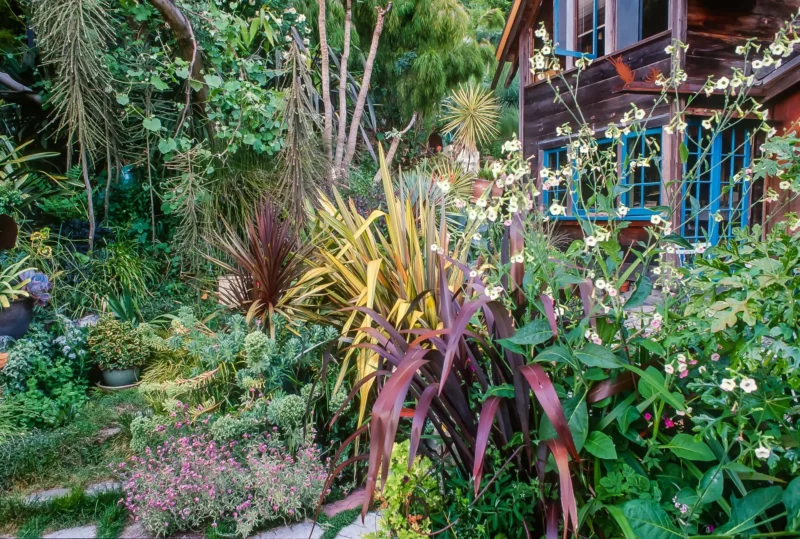
Adjacent will be a “Walk the World” section where visitors can compare native plant communities to other summer-dry ecosystems and observe similar plant adaptations and relationships. Understanding analogous plant communities—non-native plant combinations that fulfill a similar role to native counterparts—will allow our city to more effectively integrate climate-adapted plants into the constructed landscape.
Portlanders already integrate non-native plants into their designs when native options are not suitable, as non-native plants can still provide ecosystem services that increase urban sustainability. Non-native stonecrops (Sedum spp.) cover many eco-roofs, Portland Parks & Recreation Urban Forestry plants a diversity of street tree species to increase resilience, bioswales increasingly host a broader array of plants after recent heat waves impacted the prevailing native selections, and summer-blooming plants bolster pollinator habitat. In organizing around biogeography, Portland Botanical Gardens bases planting design in ecological relationships to build a wider plant palette for urban green infrastructure.
Botanical greenway
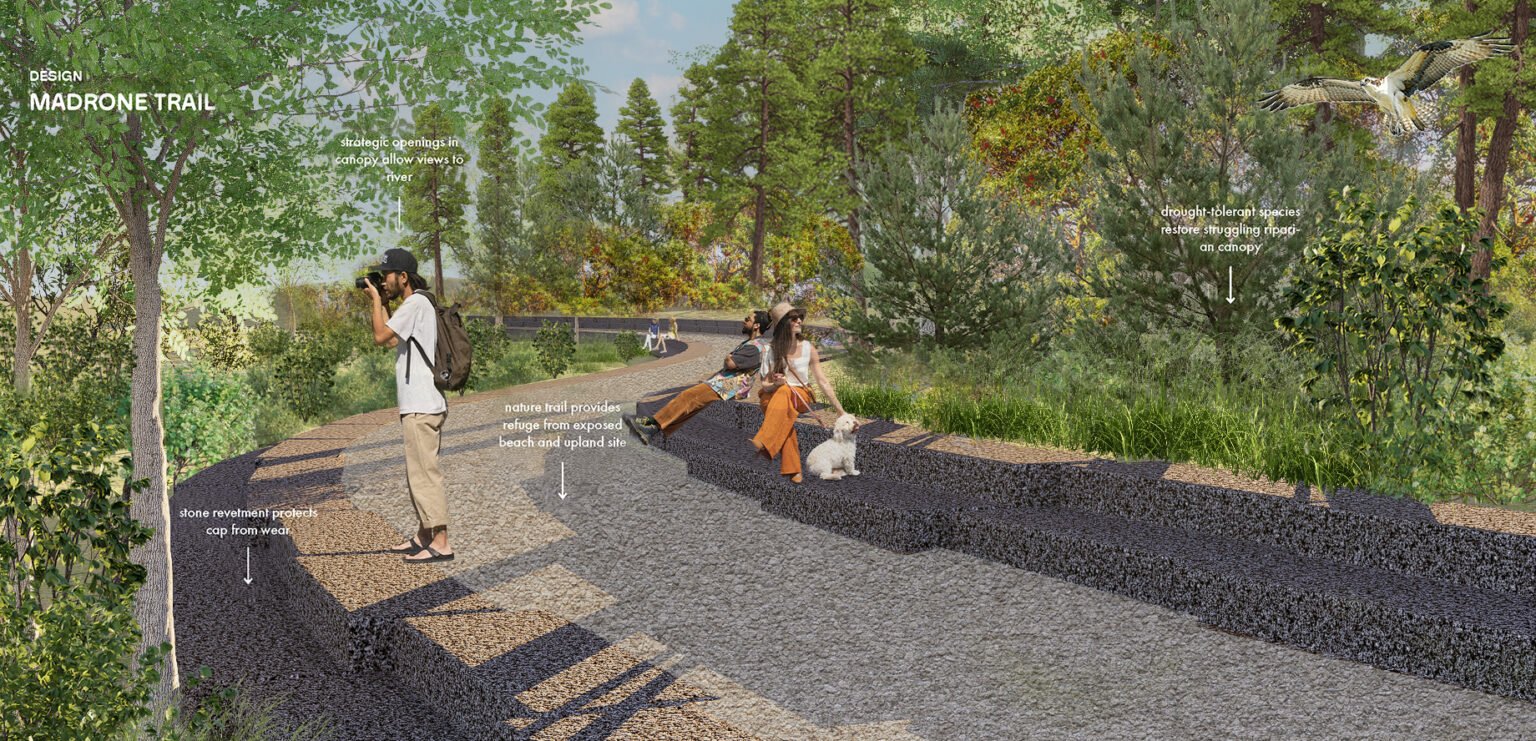
Greenway “Madrone Trail” by Eva Kahn, University of Oregon MLA graduate, created as part of her master’s project, “From Containment to Connection: Designing the Ecotone in a Post-Superfund Landscape.”
By siting Portland Botanical Gardens at McCormick & Baxter, we can further extend these benefits along a public riverfront and complete a critical connection of the 40-Mile Loop. The idea for this public greenway dates back to the Olmsted Brothers’ Park System Plan for the City of Portland, envisioned ahead of the 1905 Lewis and Clark Centennial Exposition world’s fair.
Unfortunately, industrial development along the riverfront took precedence and progress languished until the passage of the 1967 Willamette Greenway Act. This legislation guided how local governments develop their comprehensive plans and codes to “maintain physical and visual access to the river, preserve habitat and vegetation near the river, and to direct development away from the river,” according to Oregon Department of Land Conservation and Development (n.d.).
Our segment of the Willamette Greenway Trail will complete over a half-mile of the 40-Mile Loop, connecting University of Portland to Metro’s forthcoming Willamette Cove Natural Area. Thanks to the foresight of the Oregon Department of Environmental Quality, the road base along the riverfront is already in place, allowing Portland Botanical Gardens to construct this trail during early development.
Over time, we seek to develop universally accessible trails down to the shoreline and a public pier. While these projects require coordination with government agencies, Tribal nations, and frontline communities, we are confident that they are technically feasible.
We envision the 10-acre greenway to be part of Portland Botanical Gardens—not outside of it—and lined with public native plant collections that enhance the existing savanna, prairie, and riparian forest with climate-adapted Willamette Valley species. Due to the tough growing conditions and high importance of this area, these collections will begin with “Test Plots” so that community-based stewardship, land care, and field experimentation can create a culture of care within the greenway (Test Plot 2026). Through this program, we aim to restore relationships with the Willamette River and support a network of Tribal and community leaders already actively involved in Portland Harbor restoration.
Confronting the environmental challenges of the twenty-first century
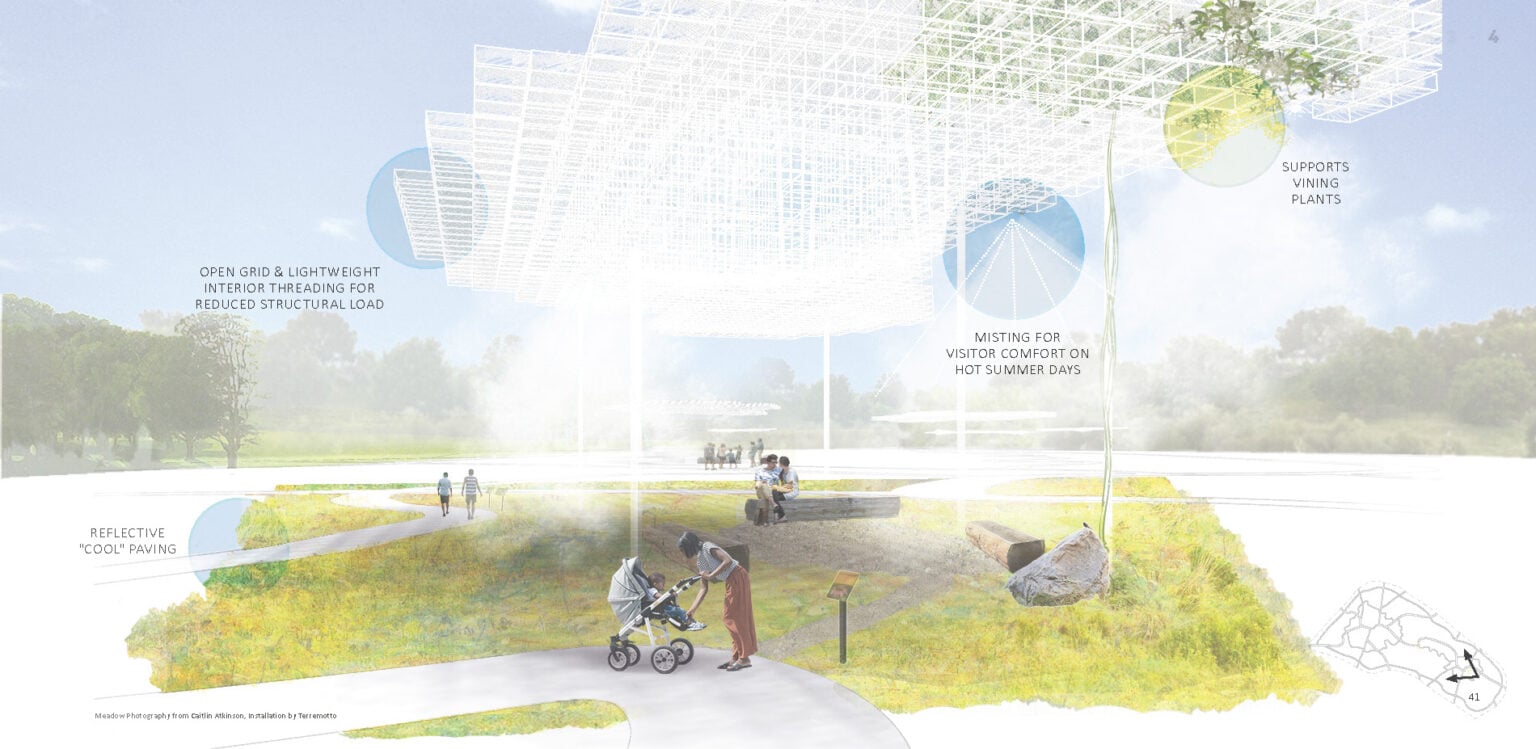
Parametrically designed shade structure by Jenny Ginn, University of Oregon MLA graduate, created as part of her master’s project, “The Art of Climate Science: A Case Study and Primer in Applying Climate Change Projection Data to Design Development in Landscape Architecture.”
Climate forecasts for the Willamette Valley project that summers will be longer, hotter, and drier, with more frequent events of extreme heat and drought. Because of the unique horticultural conditions at McCormick & Baxter, this site is ideal for identifying plants that are adapted to the future climate of the region. Furthermore, our focus on analog summer-dry ecosystems in the biogeographic collections will help Portlanders to more effectively integrate climate-adapted plants into the constructed landscape.
A botanical garden is well-suited for Superfund reuse and environmental stewardship because the highly skilled caretaking required for garden maintenance ensures the site receives more regular and detailed monitoring than other forms of reuse. The site’s soil, sediment, and impermeable caps cannot be disturbed without great expense, and all surface water must shed off the caps and cleanly into the Willamette River. Portland Botanical Gardens will enhance the function and aesthetics of this remedy and use these soil constraints as opportunities to research and feature resilient plants.
We plan to establish a nursery in the first year of operation, with the initial accessions collected from the plants that have survived on this tough site over the last 20 years, and along the Overlook Bluffs behind it. Parallel to this hyperlocal collection and propagation, the nursery will accession from other reference plant communities with similar climatic conditions. This will allow us to grow climate-adapted native plants for Willamette Valley urban conditions that may not otherwise be commercially viable. These selections will then be tested in trial gardens to determine their heat and drought tolerance.
Site analysis marked our first step in developing a research arm of the Portland Botanical Gardens. This paves the way for interested partners to access key information such as historical records, site plans, and monitoring reports. We will further build the research capacity with additional monitoring infrastructure, academic partnerships, citizen science, and field experiments in adaptive management. The lessons learned through this land care can inform future restoration and remediation efforts in the Portland Harbor Superfund Site over the next century.
Training the next generation of environmental stewards
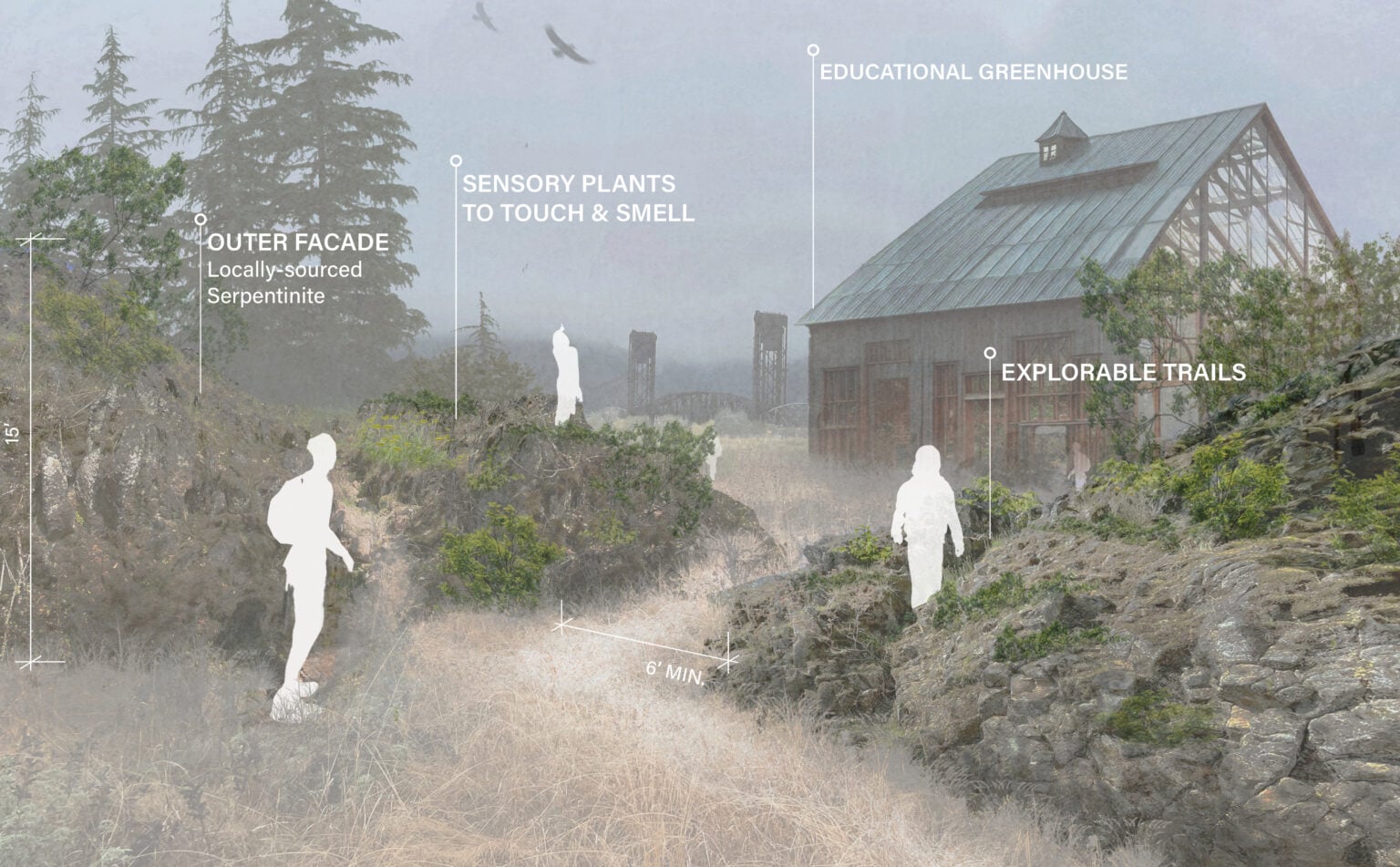
“Siskyiyou Canyon” by Steven Garcia, University of Oregon MLA Graduate, created as part of his master’s project, “Translation, Transformation & Education: Bringing Oregon’s Distant Landscapes into Portland’s Urban Center to Support Outdoor Education.”
Research, education, and vocational training are central to the mission of Portland Botanical Gardens, so that the nonprofit can serve as a resource to the next generation of environmental stewards and enrich the lifelong learning of all visitors.
Over the last two years, Portland Botanical Gardens has provided course support and academic advising to students interested in researching the McCormick & Baxter Superfund Site, including three University of Oregon graduate students in Landscape Architecture who directed their independent master’s projects on the development of a botanical garden and public greenway at the site. Since the projects featured in this article were completed in June, 2025, we have subsequently formed a Research Advisory Committee with academic partners from the University of Oregon, University of Portland, and Portland State University to further structure and develop the living laboratory program.
We have also been leading regular site tours to community members and potential partners. The strong interest in the Superfund story speaks to the value of the existing remediation and restoration planting in the overall site narrative, as well as the viability of educational programming for the public, students, and landscape professionals in the first phase.
Portland Botanical Gardens will create an outstanding field trip location for Portland Public Schools, ensuring generations of Portlanders can witness the botanical splendor around them and visit the entire world through the native bioregional collections. We will prioritize educational programming for the 15 public schools in North Portland – 14 of which have Title 1-A status. We will expand upon this curriculum to support outdoor education, which Oregon recently mandated to be part of the fifth-grade curriculum. By the time the “Foundational Garden” opens, we will have the capacity to host field trips for every public school in the city.
Coupled with these school partnerships, we will offer vocational training, green workforce development, and internship programs in partnership with other nonprofits and academic institutions. Portland Botanical Gardens will provide a space for Portlanders to develop career pathways for the larger horticulture and restoration industry and offer a wide range of horticulture classes. Eventually, we envision creating a comprehensive certification program in horticulture and botany, providing participants with a recognized credential, similar to what the Portland Japanese Garden’s Training Center offers but focused on climate-adapted horticulture and adaptive management.
A botanical garden in the City of Gardens
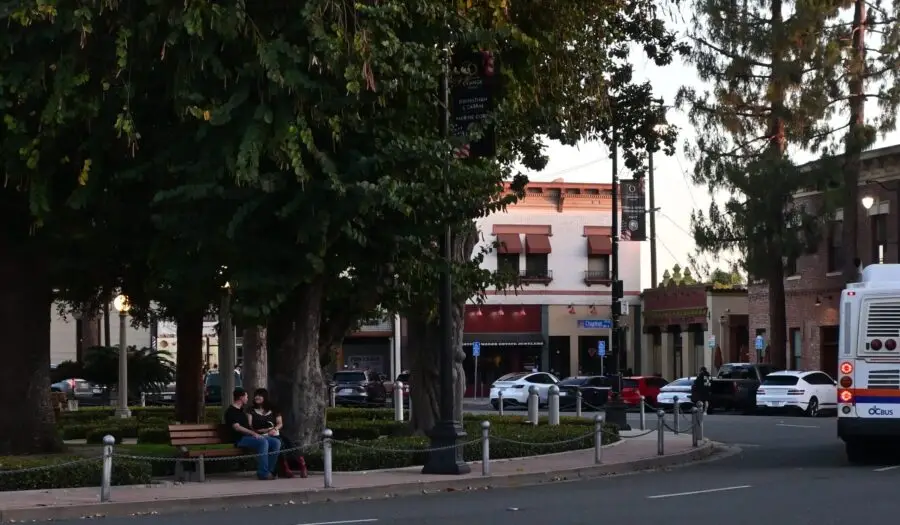
Despite living in the “City of Gardens,” Portlanders need a place, visible on the world stage, to showcase our botanical expertise, native flora, and commitment to green infrastructure. Portland Botanical Gardens offers a vision for the McCormick & Baxter Superfund site that is more than a garden—it is a hub for research and education in conservation, climate action, and environmental justice.
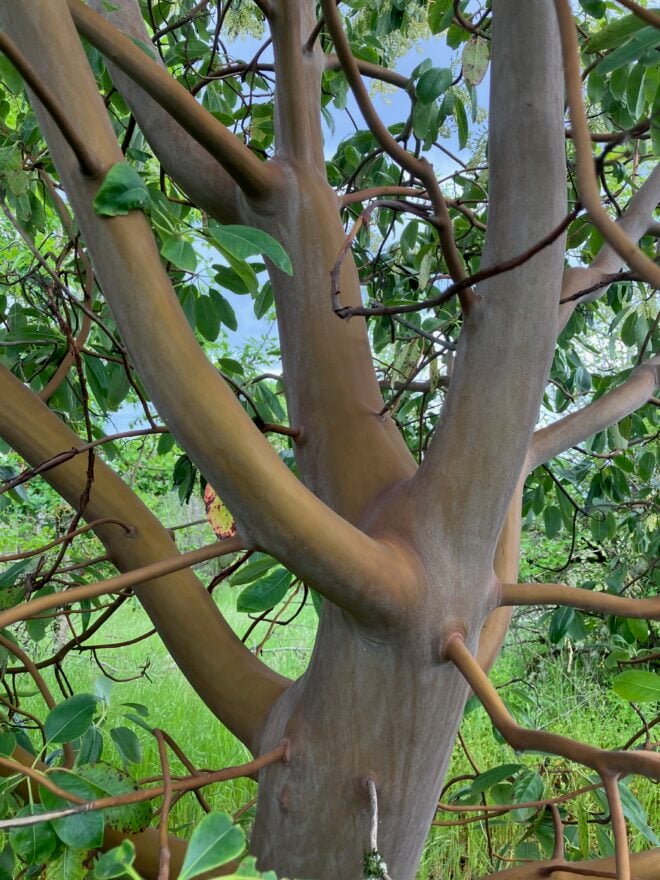
Arbutus menziesii (Pacific Madrone) are thriving at the site of the proposed Portland Botanical Gardens, and make up our initial collection along with Quercus garryana (Oregon White Oak), Pinus ponderosa var. benthamiana (Willamette Valley Ponderosa), and many associated Savanna species.
Following a successful purchase, Portland Botanical Gardens will begin improvements to make the site a community asset in the first year. This phase will include initial transportation and infrastructure construction, allowing for educational programming, greenway access, field research, and garden festivals. During this time, we will also expand our Tribal and community engagement on the comprehensive planning and design of the “Foundational Garden.”
We aim to complete construction on the core buildings and structures by Earth Day, 2031. During this second phase, we will build a welcome center and entry demonstration garden and complete the bioregional garden collections. A research, education, and operation center will expand upon the initial nursery, and an event meadow will provide a venue for gatherings, music, and performances. By working with our collaborators, we will build universally accessible trails down to the shoreline and connect the greenway trail to the Willamette Cove Natural Area.
Within 10 years of purchasing the site, we will see the major elements of the proposal completed, including a conservatory and public pier. Portland Botanical Gardens will anchor critical research in climate resilience, create local green jobs, and provide an outstanding educational program.
By 2036, Portland will have a unique venue to showcase our horticultural expertise and conservation ethic to the world.
Portland Botanical Gardens. 2025. “Seeking comments for Prospective Purchaser Agreement between Portland Botanical Gardens and Department of Environmental Quality.” Press release. November 25, 2025. [pdf]



Responses