Winter 2026
Plant Recommendations by Pacific Plant People highlight climate-resilient, water-wise, and habitat-friendly plants well-suited for the Pacific region. Many recommendations prioritize native species, but some non-natives that thrive in a Mediterranean climate are also featured.
For Best Viewing, please use Desktop or Rotate Mobile View to Landscape
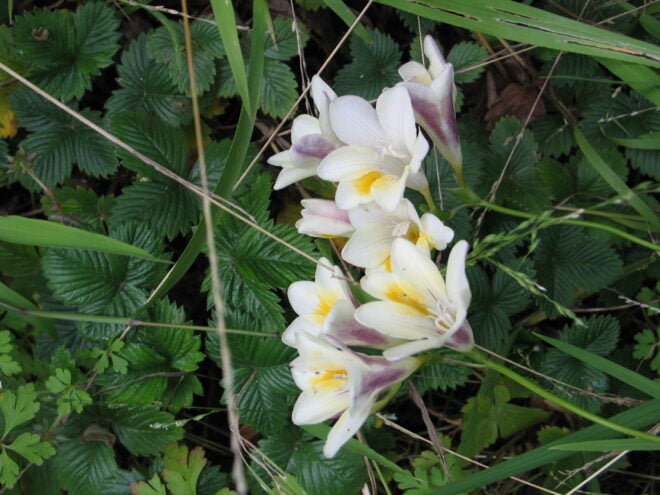
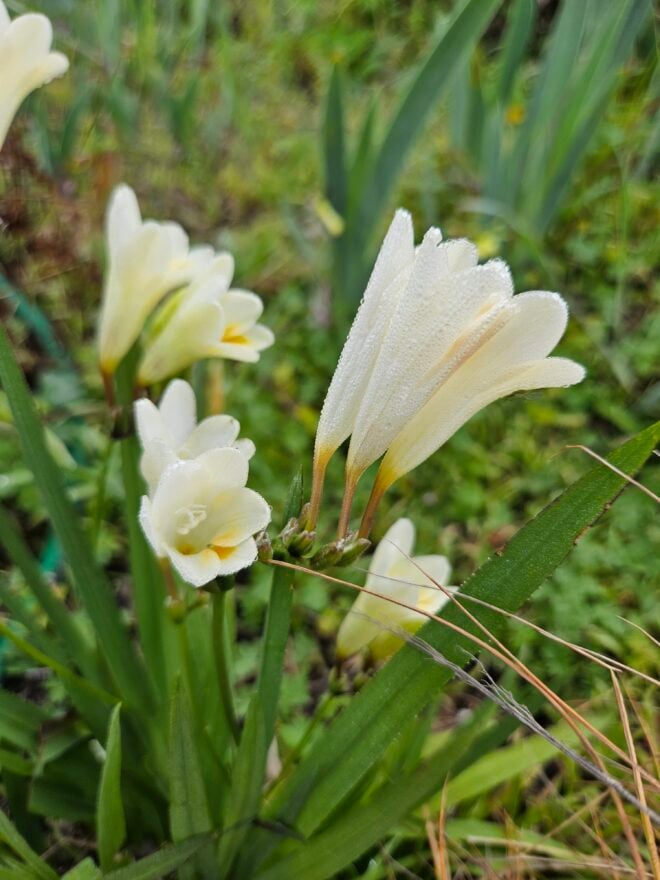
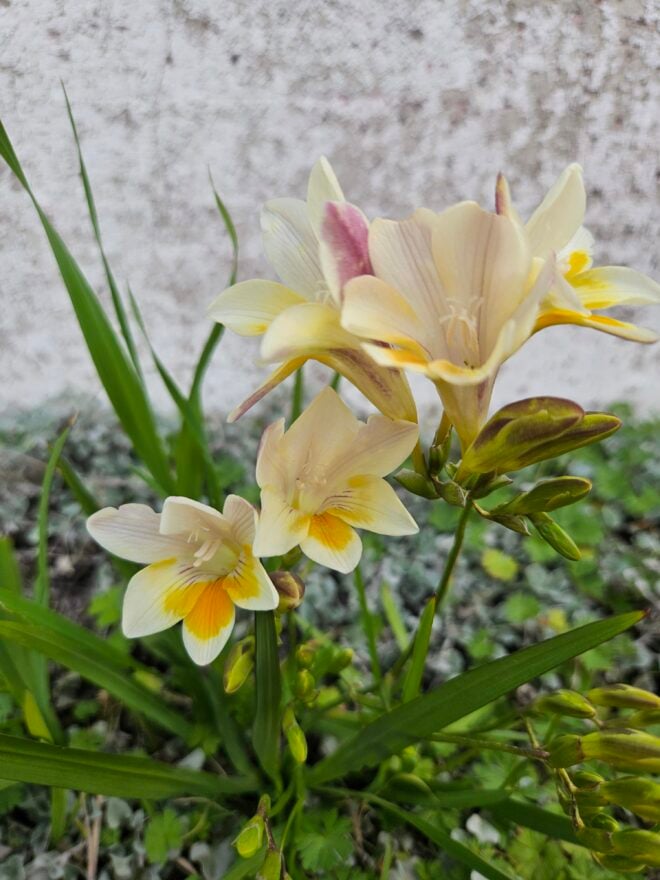
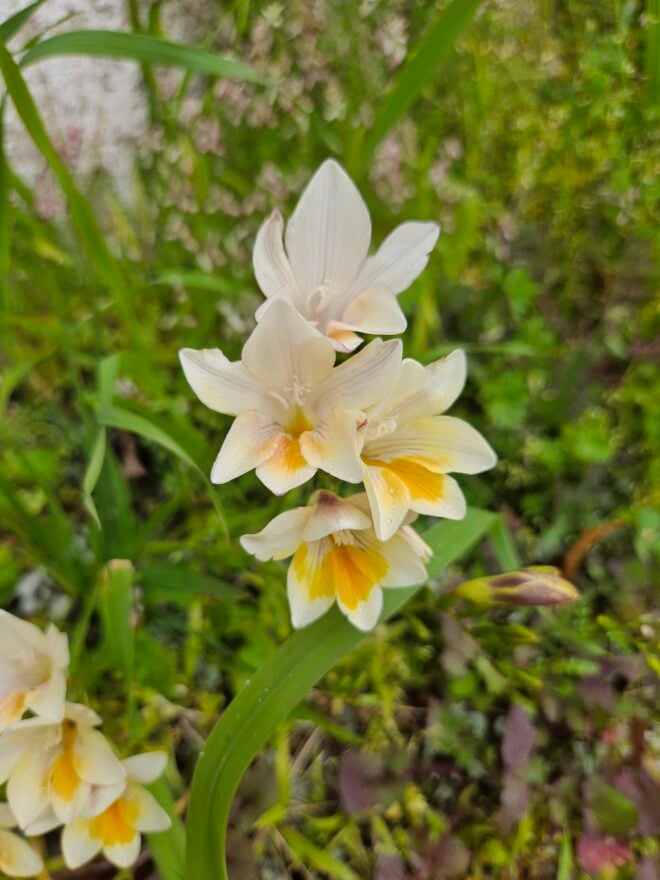
Freesia leichtlinii subsp. alba, White Freesia
Jennifer is a California licensed Landscape Architect and educator with over 20 years professional experience. Her qualifications include being a LEED Accredited Professional, ReScape CA Qualified Professional and Rater, and Qualified Water Efficient Landscaper. She grew up in Southern California but earned her BLA in Landscape Architecture from Oklahoma State University. Jennifer is self-employed; she enjoys a wide mix of projects from landscape architectural design work to consulting and public speaking.
All photographs courtesy of the author, Jennifer de Graaf
Freesia leichtlinii subsp. alba, White Freesia
Plant family: Iridaceae
Genus: Freesia
Species: leichtlinii
Description
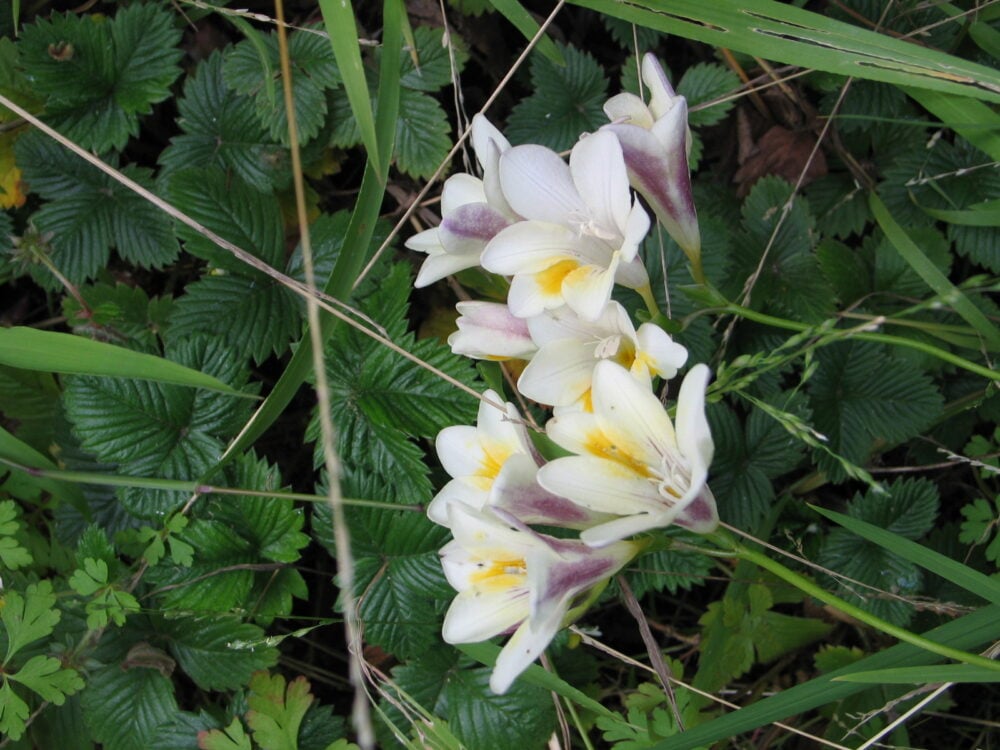
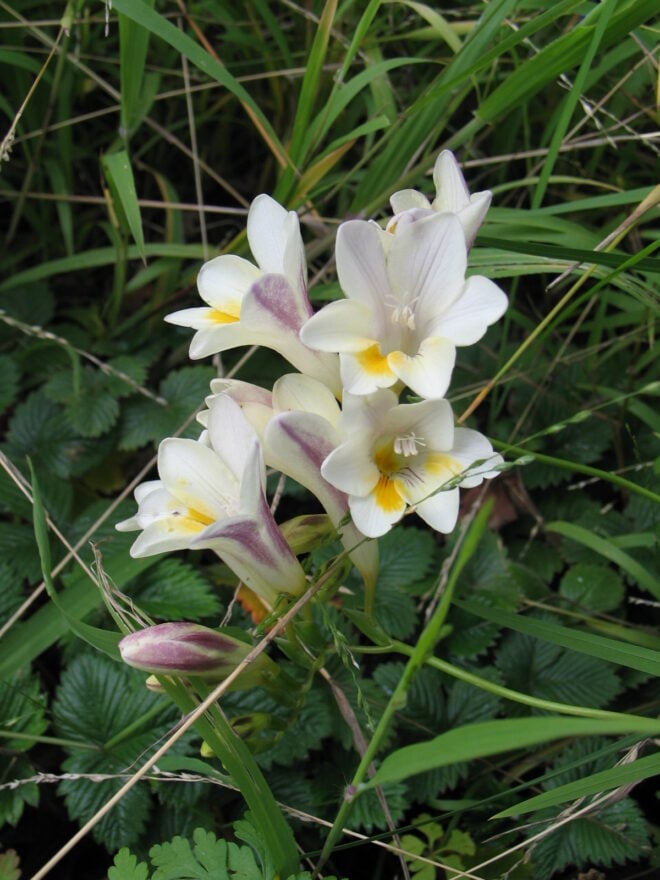
Freesia leichtlinii subsp. alba is a flowering plant in the iris family. It is native to the Cape Provinces of South Africa, but this species is grown on other continents where they have been introduced. Freesia leichtlinii subsp. alba is an herbaceous perennial growing from a corm and producing an erect, often branched stem up to 40 cm (16 in) centimeters tall with several lanceolate leaves up to about 15 centimeters long. The inflorescence has several trumpet-shaped fragrant flowers with white tepals marked with yellow and purple. Beware of plants sold as Freesia ‘Antique White’, they are not be the species we are talking about, but a soft white colored hybrid instead. A previous name is Freesia alba, but using that name is too generic and may result in inaccurate search results.
Water Use
Low to very low, seasonal winter to spring watering or rain needed
Conditions When It Thrives
They are from sandy coastal areas of South Africa, but are doing well in my terraced compost-amended hillside garden and also did well in my sandy, under-maintained coastal garden before this one. Given that, it follows they would grow in a wide variety of soils provided adequate drainage.
Ecosystem Services
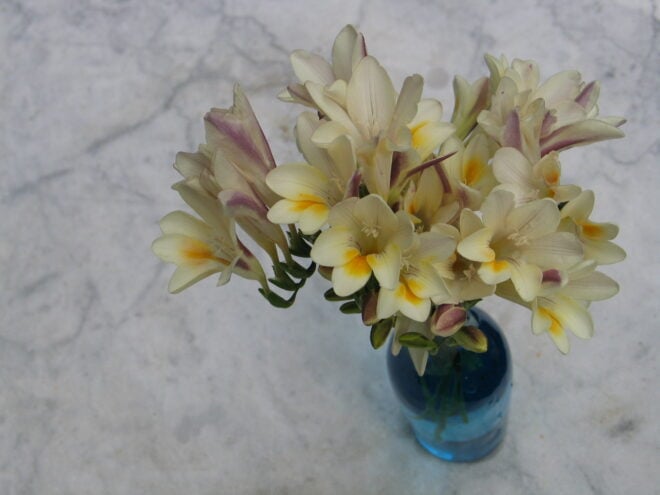
Some say moths are their pollinators, but given that they’re from South Africa and I have never seen bees or anything near mine, it is unclear if they have pollinators here or if they are self-fertile. They make a lovely, somewhat small cut flower and bring enormous cheer to a small vase.
Native To / Ideal Geographic Range
Western Cape, South Africa. Considered a weed in Australia where it does too well. Mediterranean climates are well suited
Geographic Range
Found across Europe and north America. They are not from north America, but have escaped cultivation in some places.
Availability
Available from heirloom bulb websites, more mainstream commercial sites are likely to be selling similarly named hybrids, not the species. Use the word leichtlinii to find this bulb instead of so many generically named others.
Habitat & Height
Upright plant, slightly nodding flowers. 6-12” height, clump to 12” spread and naturalized wider.
Special Features
These are noticeably smaller than the modern hybrid Freesia that you’d find at the florist or in the supermarket plant section. Their blooms are not displayed as well spaced as those, either, and open successively, but relatively quickly.
Solar Exposure
Full sun to part shade
Hardiness or Other Zones
USDA 9-11. Tolerates container growing, but may be frost tender in a pot. One site says hardy to 20F.
- Introduced 1878, these are a precursor to the showier hybrids that are so common. The corms are naturally tiny even at full blooming size.
Why They Love It
My plants were a spontaneous gift from a stranger in 2008. I walked past a woman weeding next to her driveway and admired her incredible clump of these in full bloom. She scooped some up with her hands like you might scoop up water and held them out for me, just a tangle of soil, roots, and stems. I carried my new friends home, stuck them in the ground, and I’ve been enjoying them and their offspring since. They have naturalized in my garden but have not taken over.
Why They Love It (cont.)
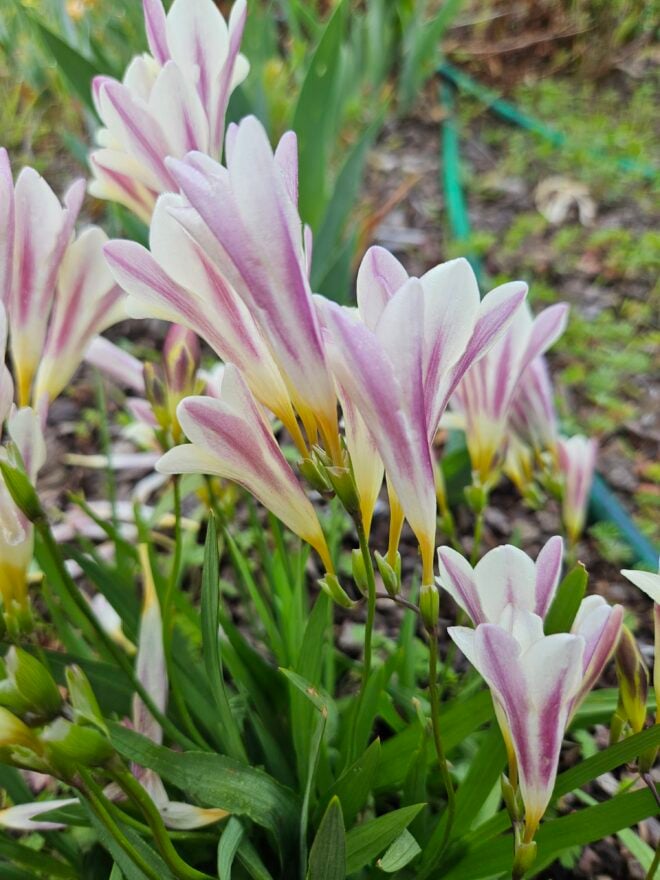
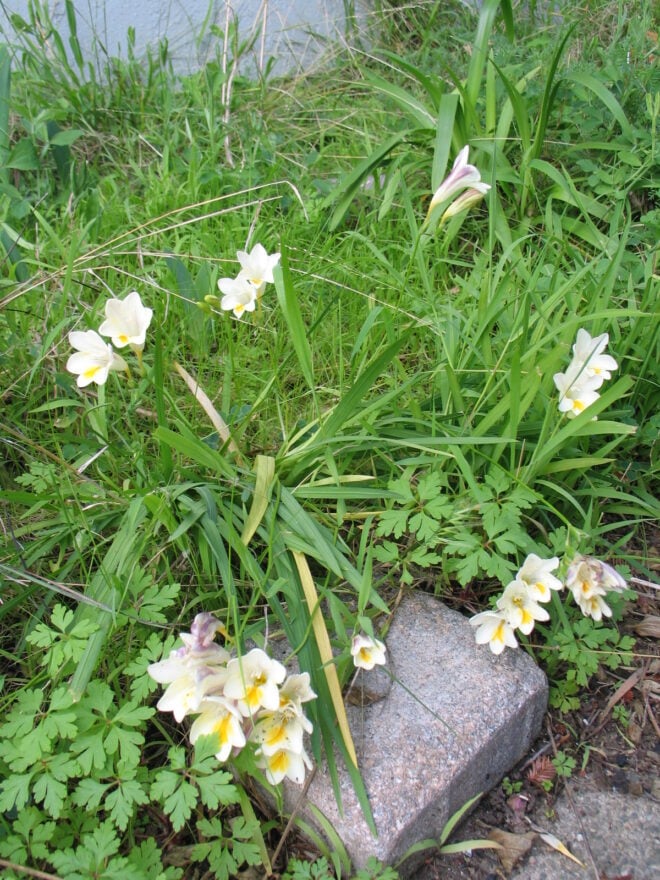
It is possible that mine are not ssp. alba, but merely F. leichtlinii – but since seedlings have come up with both purple on the reverse of the petals and without it, it is hard to know exactly what is going on. The foliage comes up when other plants are not quite ready to get started, giving my garden that new spring color when even the weeds aren’t fully underway. It can be spread by seed very easily, and small differences in flower color patterns may come from seedlings. These photos are all offspring of that first bunch.
Seasonal Appearance/Dormancy
Where I am (Oakland, CA), these come up in winter (Dec to Jan) with the rains, bloom in late winter to early spring (around Feb to Mar), set seed over summer and go dormant by fall, regardless of additional watering.
Advice, Design, Care Notes
Grow with low, contrasting foliage groundcovers like Dichondra ‘Silver Falls’ (silver) or Fragaria chiloensis (dark green foliage). They can be grown in containers, but I think they’re better served in the ground. These would be fabulous additions to a more wild looking meadowy planting, but I would avoid planting where self-seeding is unwanted. They may do well between step stones or at the edges of more formal plantings where they can bring their cheer through little gaps in the plantings and be enjoyed up close.
Other Thoughts
It would be easy for someone to mistake a clump or a young seedling for grasses and accidentally pull them out of the ground when hand-weeding. Some websites suggest dividing clumps every few years, but I have found it is not necessary. The clumps are easier to distinguish from weeds when bigger, and have a stronger visual presence.
Additional Growing Conditions
Grow with low groundcovers and allow to form a clump so the individual plants have enough support to stand up. Otherwise, they tend to be a little floppy. Do not mulch heavily, they’re just not big or strong enough to force their way through.
Additional Special Features
These smell absolutely wonderful, an intensely sweet almost citrusy smell, but not actually citrusy. The scent will not come find you, you have to go get your face in there. The scent seems to be consistent, unlike the variety of fragrances from modern hybrids. Some websites claim the modern hybrids are easier to grow, but my experience has been the opposite. I’ve killed many hybrid Freesia, but these keep coming back.

Information Sources:
https://pza.sanbi.org/freesia-leichtlinii-subsp-alba
https://www.pacificbulbsociety.org/pbswiki/index.php/freesia#alba
https://powo.science.kew.org/taxon/urn:lsid:ipni.org:names:77117958-1
https://wfoplantlist.org/taxon/wfo-0001362184-2025-12
Purchasing Sources:
https://oldhousegardens.com/store/bulb-info/DI23/antique-freesia
Pillars: Does the plant contribute to any of these topics especially?
- Drought Resilient – Yes
- Natives For Habitat – No
- Biodiversity Boosters – Yes
- Food For People – No
- Life Not Lawn – Yes
- Multi-Season Interest – No
- Rain Gardens – No


Responses