Pacific Horticulture’s monthly photo series by renowned garden photographer and Pacific Horticulture Board Member, Saxon Holt of PhotoBotanic and Summer-Dry
Winter 2025
Last September my wife and I spent our anniversary in Carmel, a decidedly nonprofessional trip, so of course I did not take my good camera. We have visited many times over many years and usually I do take my cameras because this region greatly inspired the collective of California photographers known as Group f.64.
My work as a landscape photographer is heavily influenced by this group, which included Ansel Adams and Edward Weston, who promoted a “pure photography” style for maximum sharpness and depth of field. From Carmel I would seek out Point Lobos, Garrapata Beach, and Big Sur in the footsteps of these greats.
For this trip, though, I only took my camera phone, and when we visited the beautifully refurbished Carmel Mission, I wished I had my professional camera. There is a very fine story here to tell.
Carmel Mission
I remember the courtyard of the mission from visits past, probably 30 years ago, when the gardens were baked and neglected. I had heard about a big renovation in 2021 so we made this one of our stops on the vacation, and I was excited to see a fantastic example of gardens adapted to our summer-dry climate. The gardens are still growing in, but photographic opportunities are there for those who know where to look.
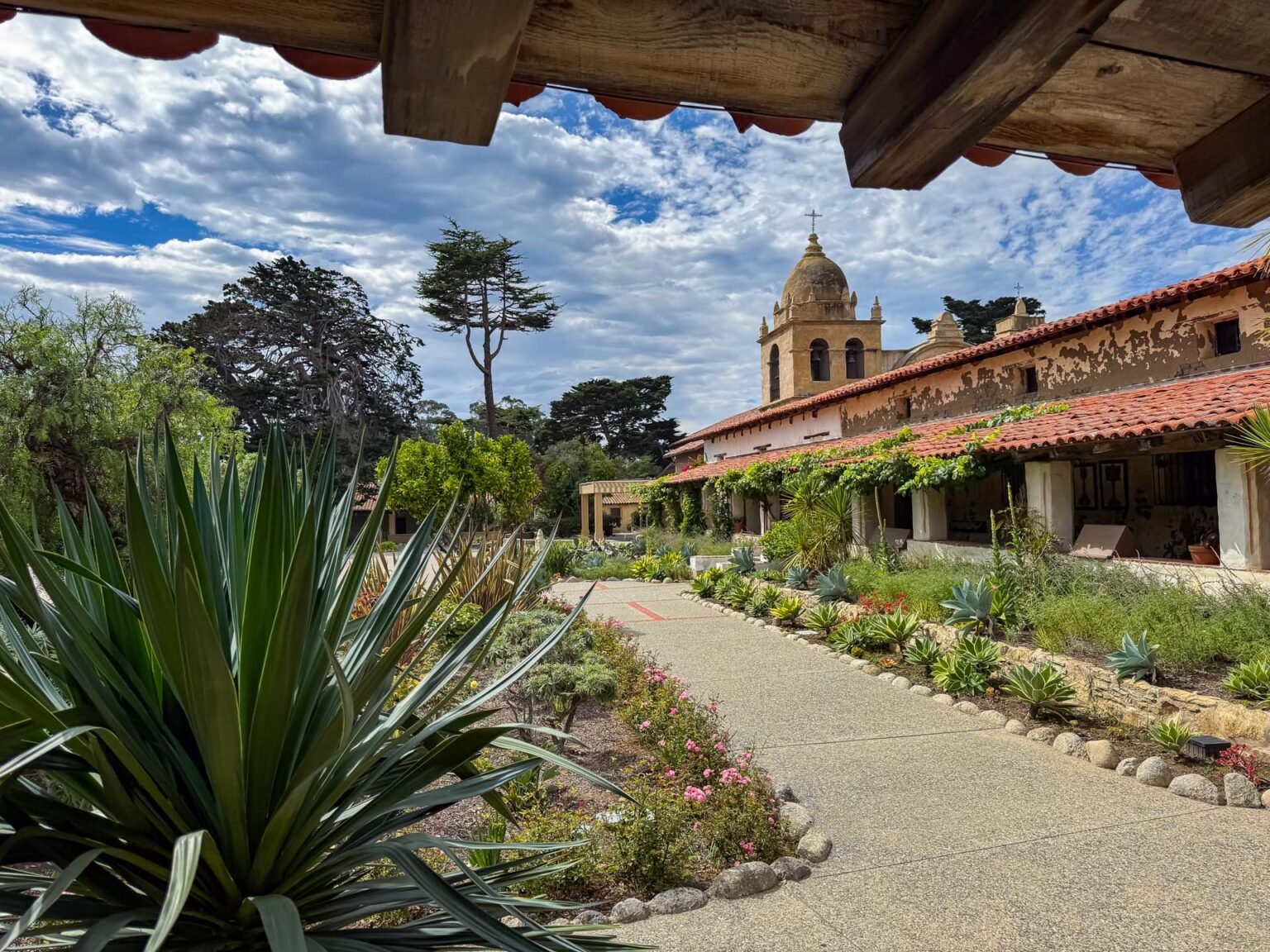
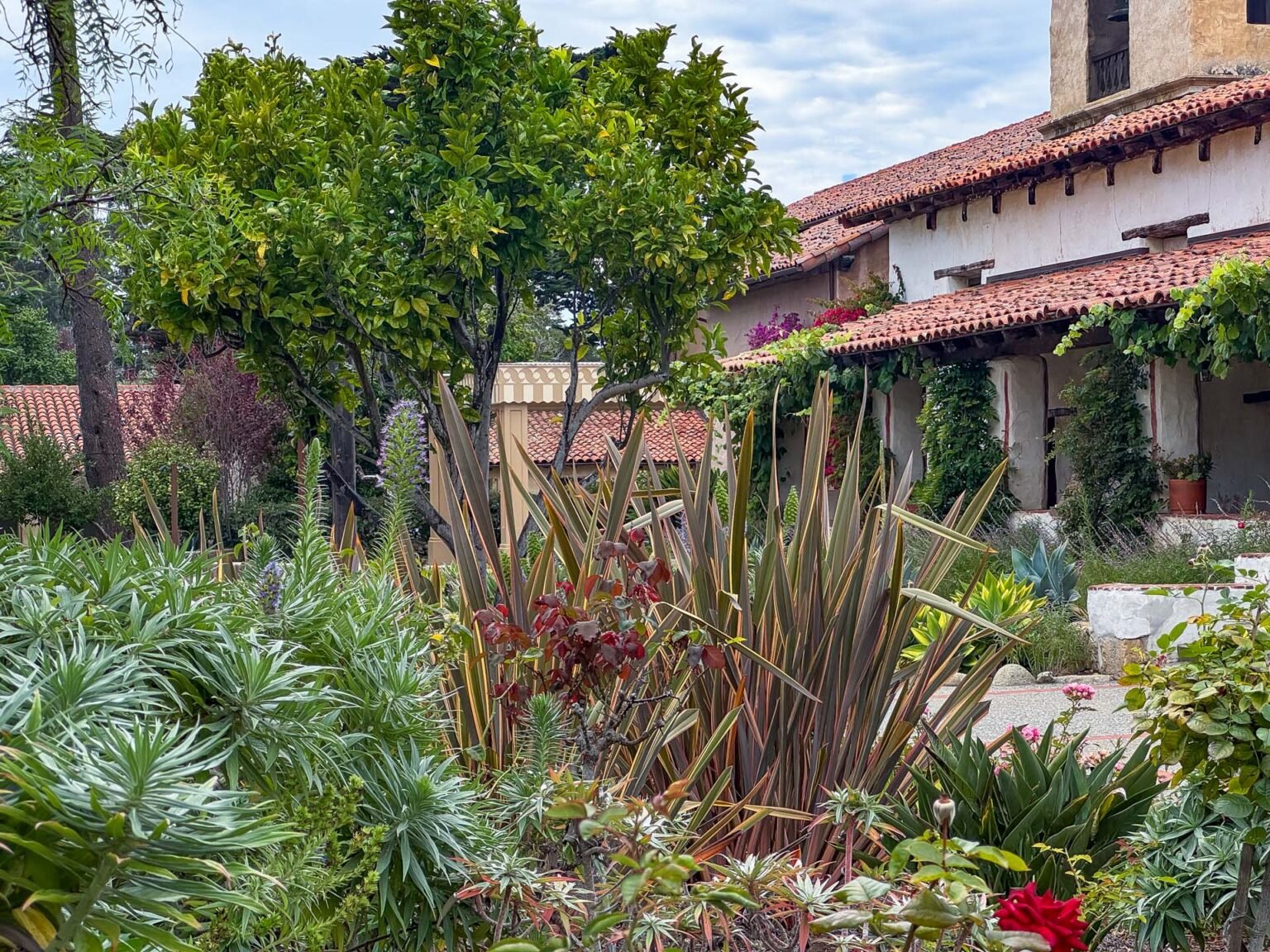
Because the gardens are still young and not filled out, I wanted to find angles that might evoke a lush feeling. That was one reason I chose to put that agave (Agave sp.) in the forefront of that first photo: it hides an otherwise unphotogenic garden bed—the one you see here.
When you are traveling as a tourist with only your camera phone, it is tempting to stop at your first decent snapshot. While you’ve got a picture that reminds you of the setting, if you want a better picture, you simply have to work at it a little bit. It’s fun work to look at gardens carefully and think about how they’re put together.
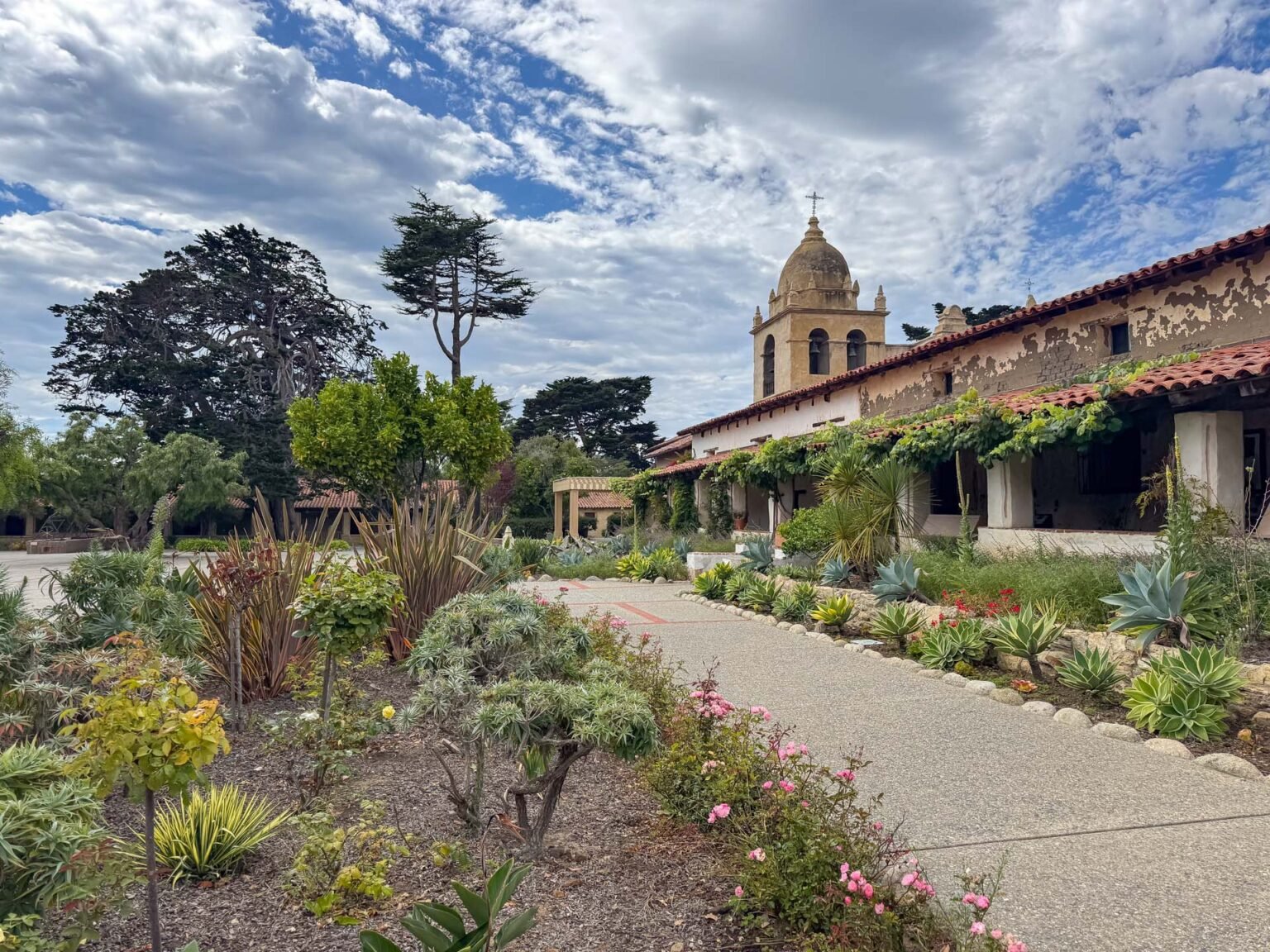
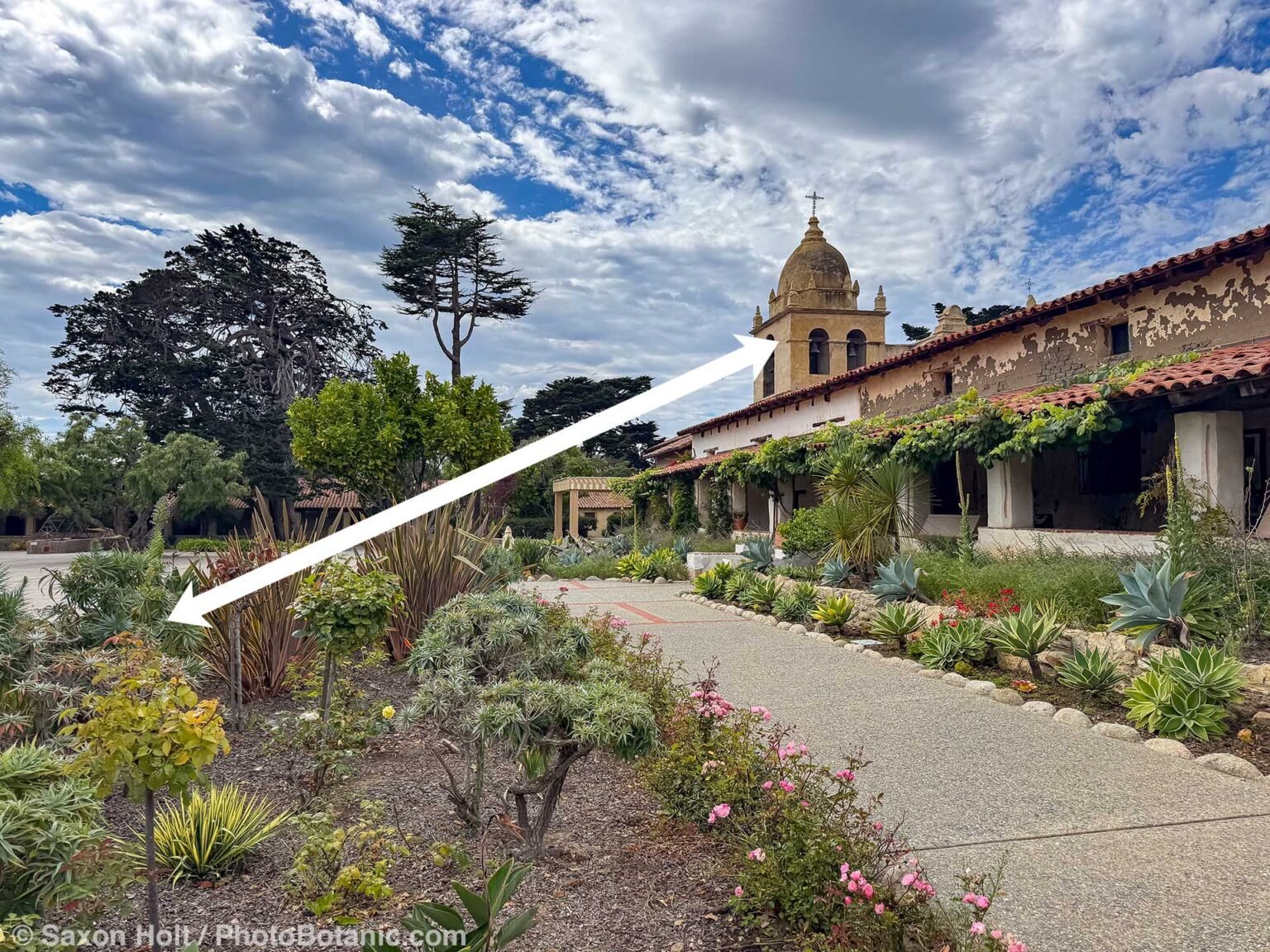
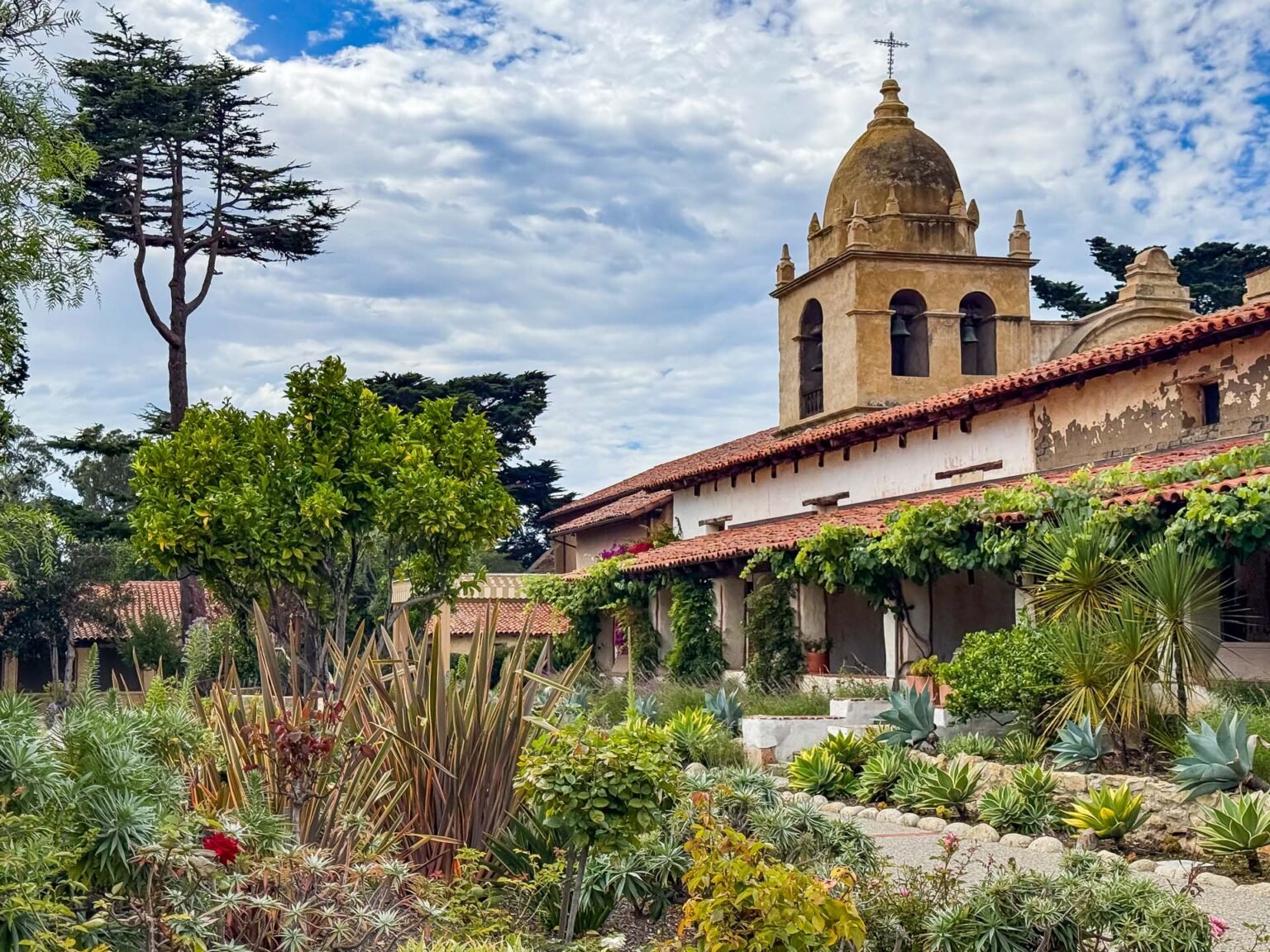
As I looked at the scene, trying to find a photo that might look filled in, I noticed the two phormium (Phormium sp.) plants in the back of the bed. I realized if I moved to the left a little bit, those would stack right in front of the mission architecture. I was working the scene.
With the telephoto lens setting, I could crop out everything else.
Many of the latest camera phones give you a choice between multiple lenses for a high-quality optical image, but you can also simply zoom to the scene in by pinching the frame to get the telephoto effect.
With my phone camera, that first photo would be the equivalent of a standard lens, the second would be the 2X lens, and then I could get even closer to the phormiums with the 3X setting.
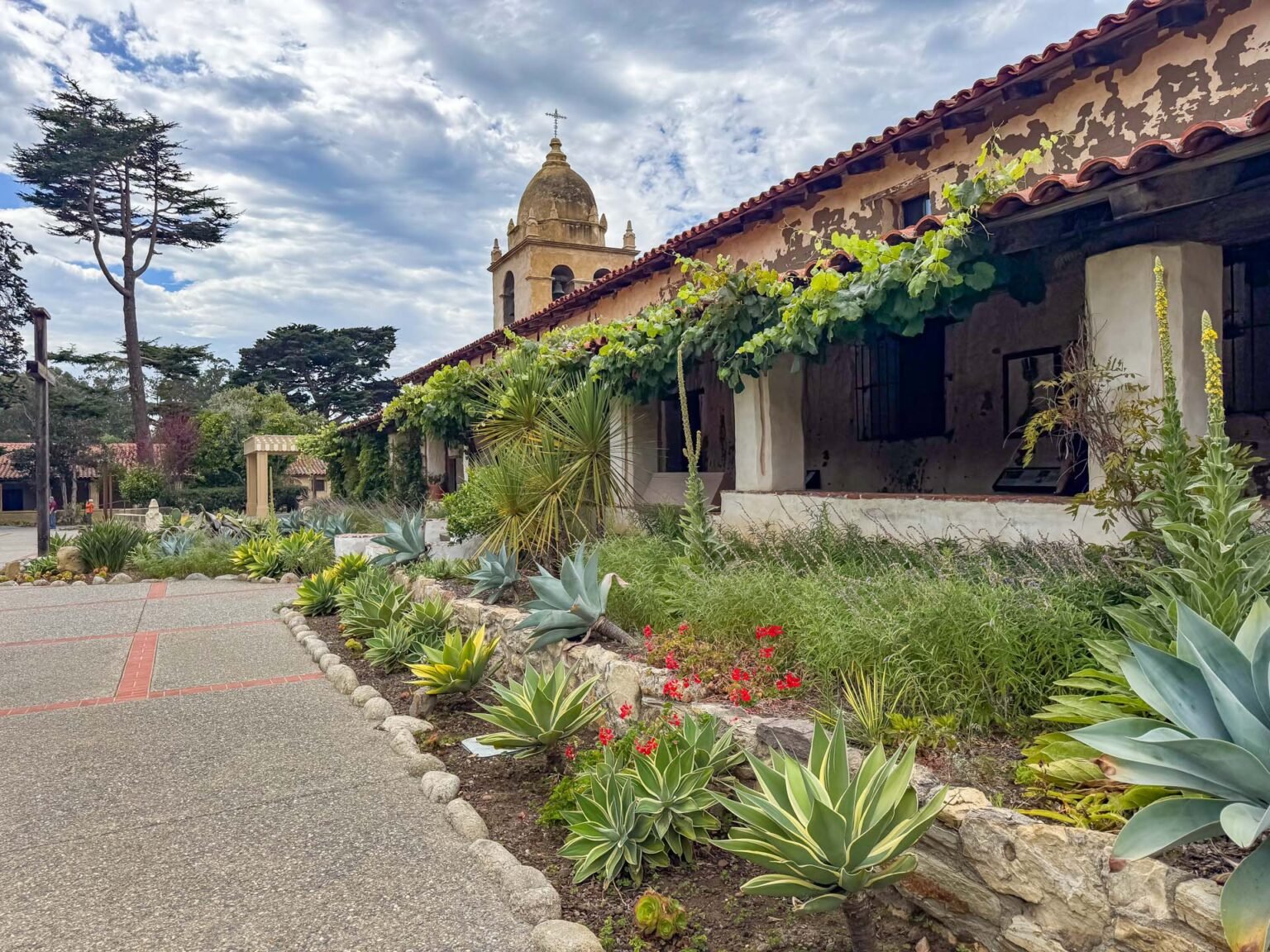
This photo self-assignment was really working out; I was getting some strong pictures with my camera phone. I wanted to try this exercise one more time at the succulents bordering the path along the front of the mission courtyard.
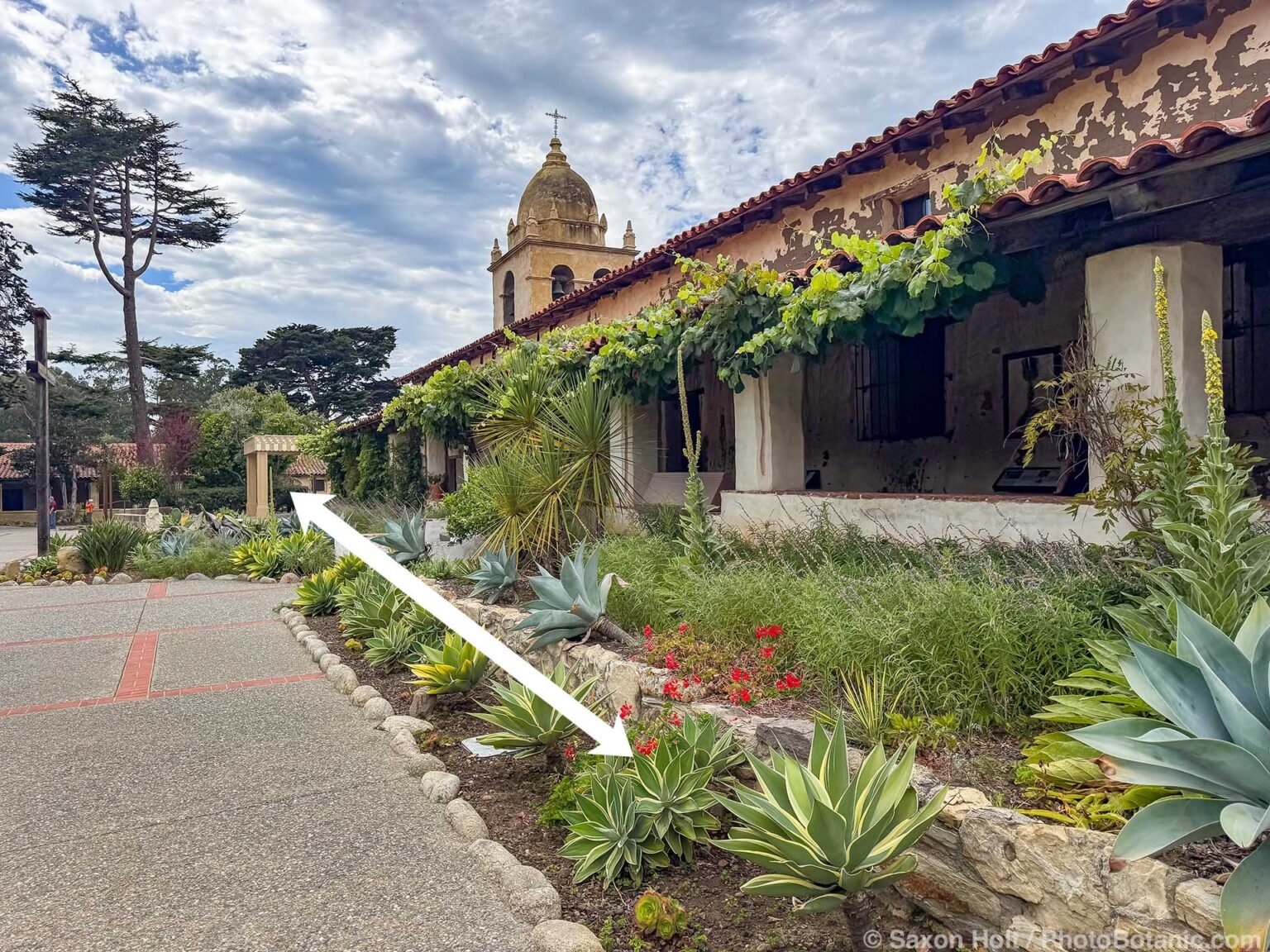
I wanted to find a view that will make the border look even fuller and cover the empty space between those agaves.
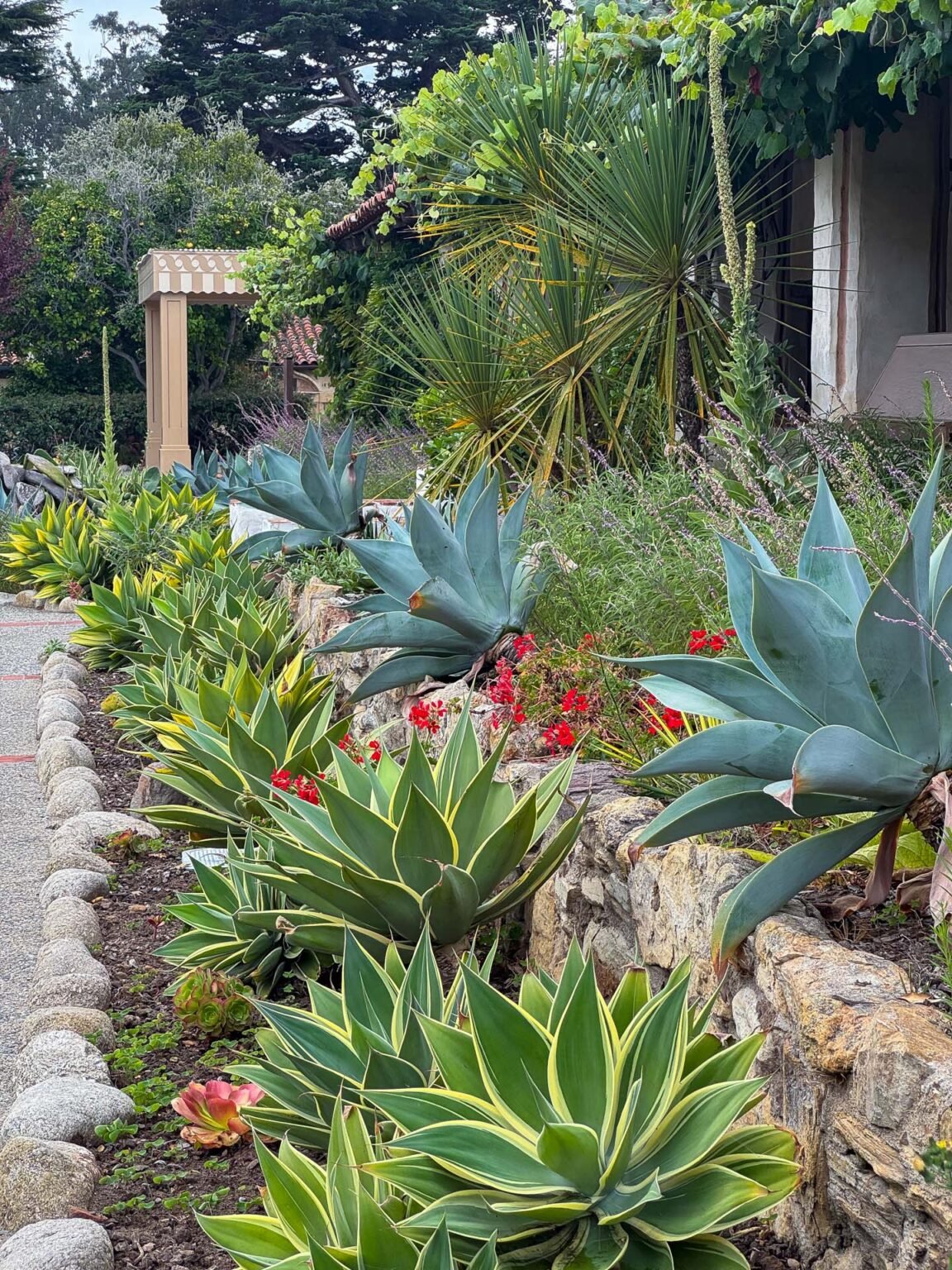
Looking right down the row of succulents, zooming in with a telephoto, I didn’t see much space between the plants—the telephoto has compressed them.
I have worked the scene again.
I probably spent 30 minutes making these two photos of the phormium and agave border; perhaps too much time for a tourist dashing through some attraction eager to see the next. Not too much time for this photographer, who loves looking at the plants and having a camera, any camera, to study the scene and tell its story.
If I am to treat this beautiful Carmel Mission as a more complete story, I also need details, wide views are just not enough. The next installment of this series will be in this same garden, looking for some intimacy.
About the Series
I began Camera Phones Are Cameras with this full disclosure: I have been a professional garden photographer for 40 years and do not take any of my professional photos with a camera phone. However, almost all the tips I give in my workshops apply to any camera, recognizing the camera is only a tool to capture an image.
It is up to you to take the picture, and if used with intention and consciousness any camera or camera phone can take wonderful pictures; especially if you learn a few techniques.
Read the Full Series Here
Pacific Horticulture Photo Tips Series
We have created a new Landing Page for all of Saxon Holt’s ‘Camera Phones are Cameras’ series of wonderful iPhone tips and tricks.
Every dollar of support goes directly to creatingeducational contentwithin our very lean operation. While much of our team are volunteers, we strive to our editors and staff fairly for their time. This supports ourstrategy to increase the number and impact of climate resilient gardens and landscapes.








Responses