We envision a resilient world dependent on the thoughtful cultivation of plants

Blending Land Care with Self-Care

Articles: Blending Land Care with Self-Care

Spring 2026 

Introduction

Maybe it is the twinkle in the eye, or lightness of step, or dexterity of limbs, I am not entirely sure, but I can usually spot a gardener in a crowd. They seem livelier and more present than the people around them. The telltale is a hue of health.

In addition to confidence and agility, gardeners enjoy better health than non-gardeners (Soga et al. 2018). Accomplishment and pride, exercise and range of movement, dirt and sunshine are the ideal ingredients for positive health outcomes. And these outcomes can be profound. Rich interactions with land do not guarantee longer life, stronger immunity, and less depression, but the scientific literature has shown that these benefits are more likely when we garden (Feldmar 2018).

Health gains are an unsung bounty of intimate relations with land. I believe the act of gardening is an act of self-care. Gardeners along the West Coast have taken this act a few steps further by creating landscapes that bring a garden’s goodness indoors.

From a landscape designer’s point of view, there are two parts to landscaping for self-care.

Physical and dirty: Working in a garden on your own or with others is great for personal health. It does not make a difference what a gardener grows as long as it pulls people outside and into positive interactions with the land.

Bring the bounty indoors: There is an abundance of plants that gardeners grow to enliven indoor environments. What better way to cultivate participation and get people dirty than planting plants that can be used indoors to improve health outcomes? By actively honoring plants that honor us, we care for many.

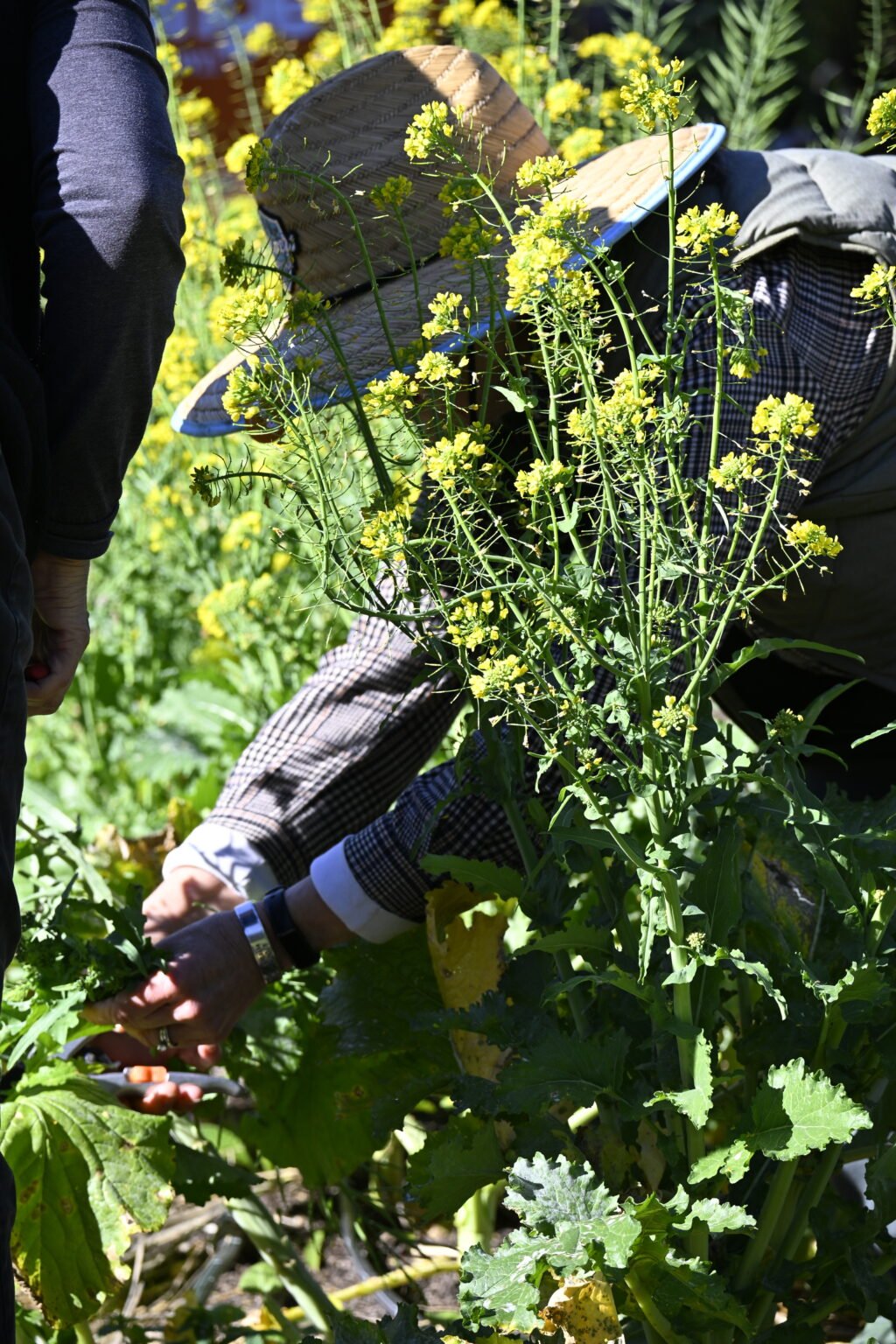
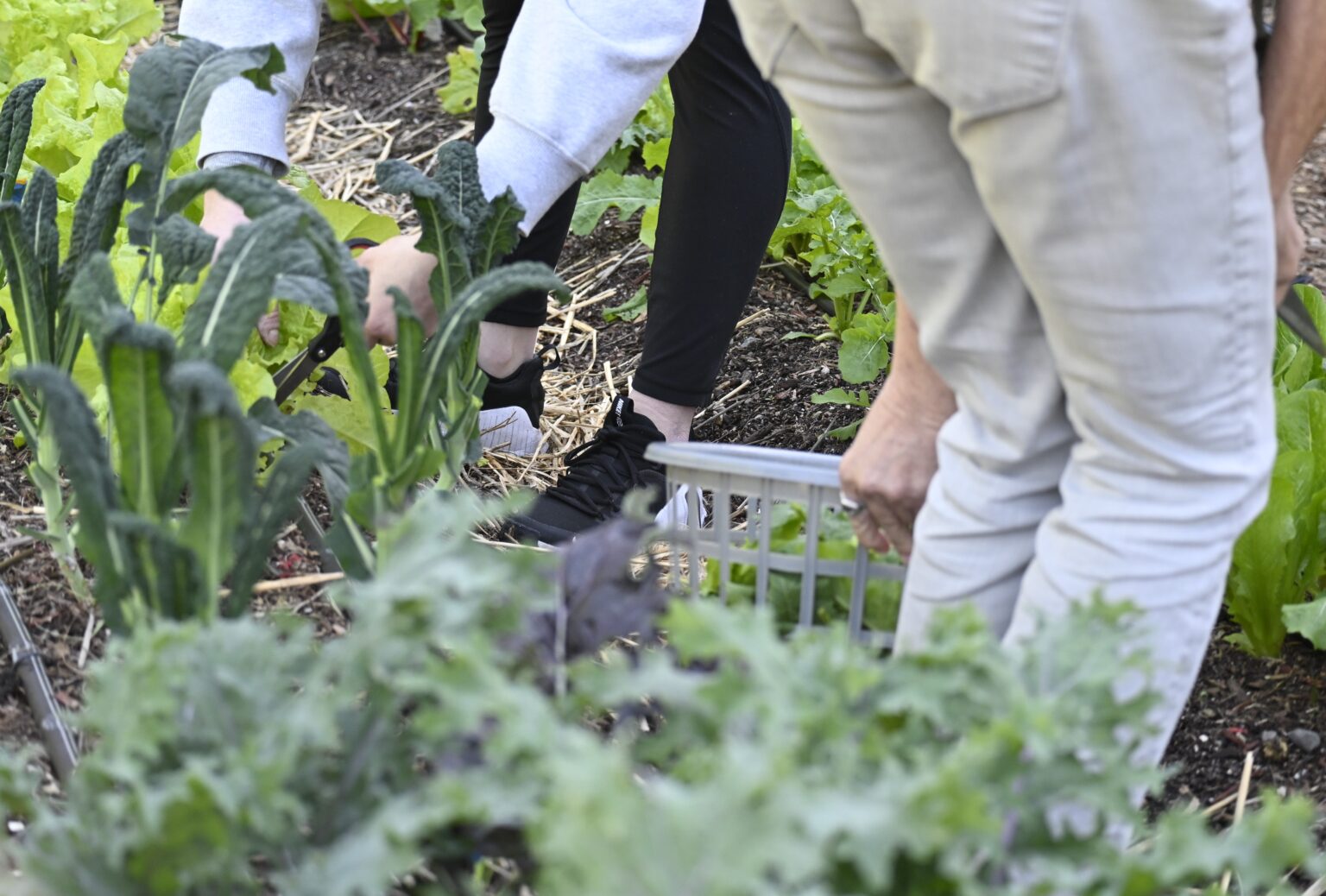
The benefits of getting active and dirty in a garden are common knowledge at this community farm, and they attract many volunteers consequently. Picture taken at Orange Homegrown’s Education Farm.

The value of getting physical and dirty

Want a robust smile? Grow root crops and get grubby. Want protection from viruses? Care for your landscape with your labor. Want a long life? Dig into your garden and its many wonders. No other recreational pursuit compares with gardening when it comes to improving personal health.

Immunity: Gardening is a mild exercise that enhances levels of vitamin D and feelings of wellbeing, while reducing blood pressure and levels of stress, all of which improve our immune system (Thompson 2018).

Longevity: The evidence is well-documented and immense. Gardening may extend your life. Mild exercise, getting dirty, and sunshine are fantastic for a longer, healthier life (Feldmar 2018; Li et al. 2020; McCallum et al. 2007).

Mood: There is a bacterium in soil called Mycobacterium vaccae that acts as an antidepressant by increasing norepinephrine and serotonin levels. This bacterium not only makes people feel happier, but has also been shown to improve emotional health, vitality, and general cognitive function (Berman et al. 2012; Glausiusz 2007; Lowry et al. 2007).

“How had I become so focused on the outside world that I failed to create a sanctuary in my own life?” Jessi Bloom asked in her book Creating Sanctuary (2018). She answered that question throughout her book: “Nature will nurture us, if we, in turn, nurture nature.”

Dirt, a range of movement, and sunshine are keys to good health.

Bring the bounty indoors

Of all the many things that can be grown in landscapes that enhance personal health, this article focuses on cut flowers, fragrances, and teas. Some of the other things commonly grown are food, medicines, oils, and soaps. Self-care is personal and gardens will be as unique as individuals tending them.

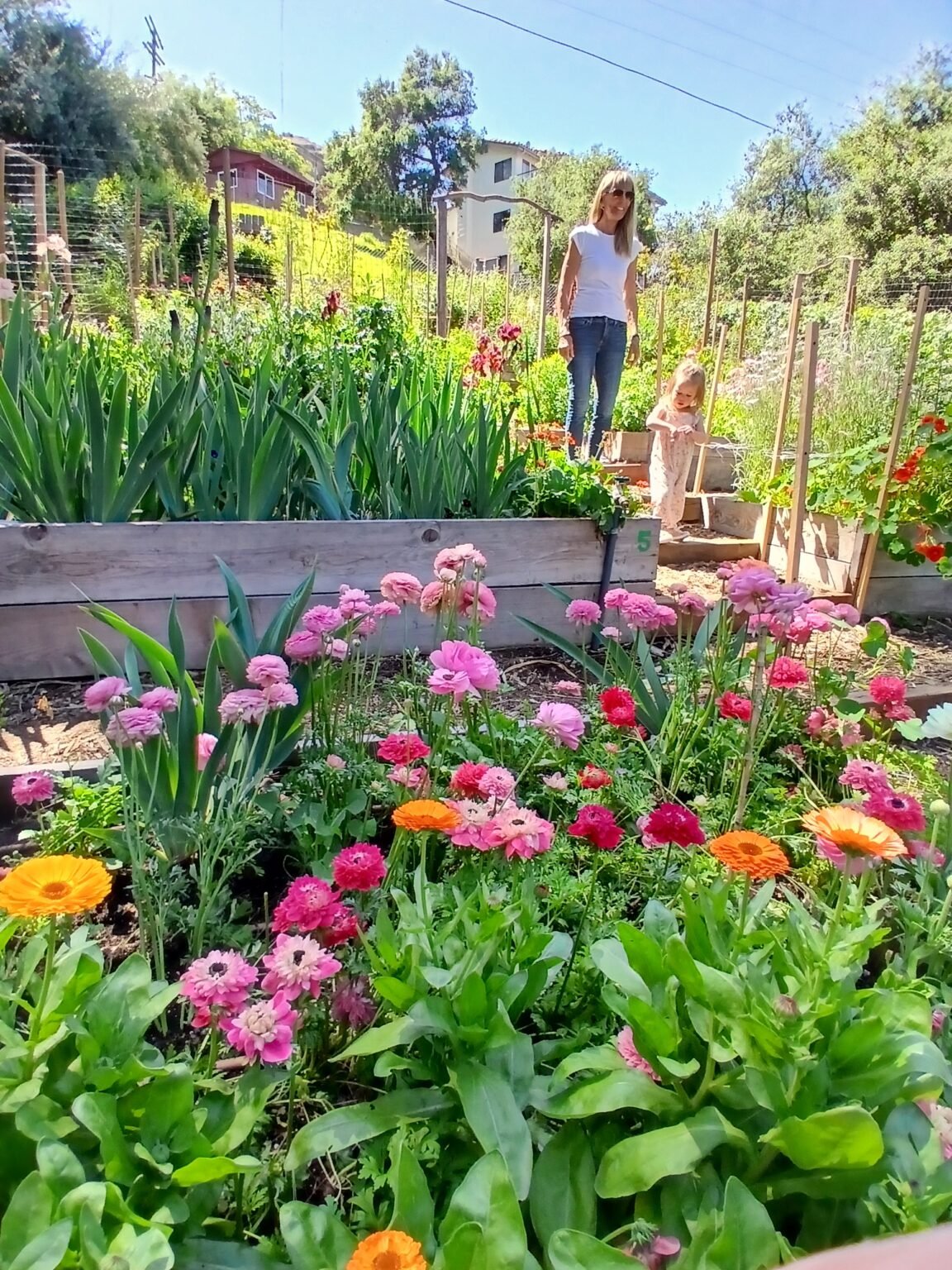
A cut flower garden in Eagle Rock, California. Not only does this garden connect the occupants to the health of the land, but it also acts as an effective buffer to wildfire. Garden by Frogtown Flora.

Cut flowers

Cut flowers have graced rituals of celebration, grief, and healing for eons. In her book The Light Eaters (2024), Zoe Schlanger elegantly spoke to the power that flowers exert in their immediate environments: “Beauty is almost always a form of communication.” This beauty speaks loudly to humans. The colors and fragrances of indoor flowers reduce stress, lift moods, increase memory, help relationships, and inspire healing (Society of American Florists 2018).

 “Cut flowers mentally change the moment. They are beautiful and living,” said Kathleen Ferguson, owner of Frogtown Flora, a landscape firm specializing in cut flowers in Los Angeles. “Give someone a bouquet and they will immediately take it to their face. The benefits of connection are amplified when they get their hands in the soil—there’s almost an immediate shift in mood.”

Cut flower gardens make sense in urban areas. The harvest is often longer-lasting, easier to grow, and does not attract as many vector problems as food plants. They are also beloved by bugs and birds if left unharvested. While there are hundreds of plants that produce cut flowers, I like the ones below because they are atypical, long-lasting, and require few resources to grow.

Six unusual and easy-to-grow plants

Aloe (Aloe spp.): Bringing the color orange inside during winter is one of the biggest benefits of growing aloe for flowers. The flowers are also long-lasting. Plus, this genus is easy to grow, whether in the ground or in a pot.

Amaranth (Amaranthus spp.): While there are many amaranths, and many of those are weedy, the ones used for cut flowers are generally cultivated. The flowers can be stoutly upright or hanging like beaded tassels. A few grown commercially for flowers include dreadlocks amaranth (Amaranthus caudatus ‘Dreadlocks’), globe amaranth (Gomphrena globosa), and love-lies-bleeding (Amaranthus caudatus).

Matilija poppy (Romneya spp.): Drought tolerant, fire resistant, and a favorite among novices and experts alike, Matilija poppy is both a dominant feature in a garden and a vase.

Throatwort (Trachelium caeruleum): This tough Mediterranean perennial provides long-lived stunning globes of flowers for months in summer. Long-stemmed and pastel in nature, the flowers are either blue, mauve, pink, or white.

Toyon (Heteromeles arbutifolia): While the white flowers of toyon can be added to a bouquet, it is the profuse red berries that appear in fall and winter that are most prized. As a rule for myself, if the berries are not eaten by wildlife, I believe that it is okay to use them for human ornamentation.

Yarrow (Achillea spp.): The flowers of yarrow are as handsome fresh as they are dried, which makes these flowers exceptionally long lasting. If growing the West Coast native (Achillea millefolium), you will get good results in neutral or slightly alkaline soil.

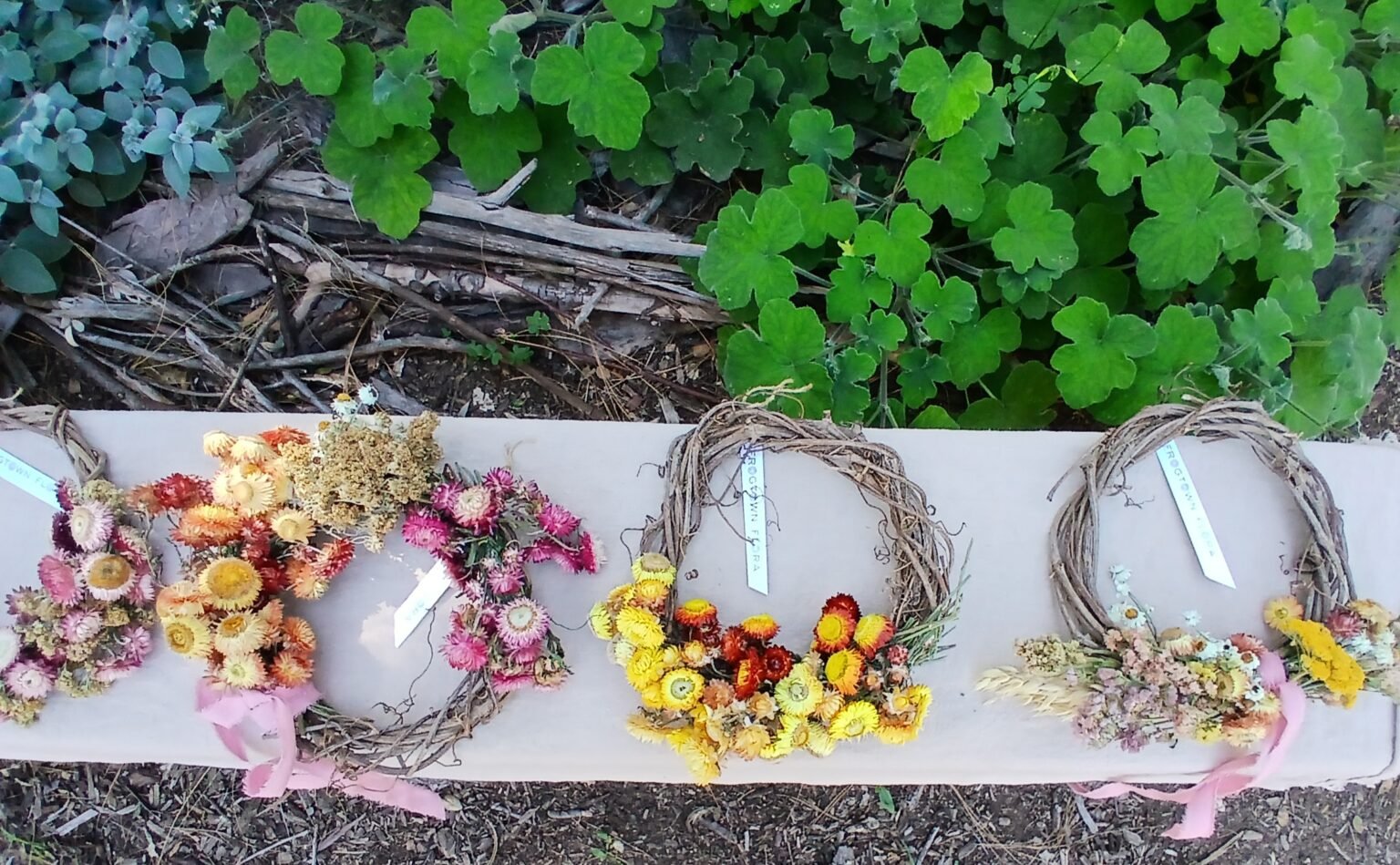
Because strawflowers (Helichrysum bracteatum) retain much of their color when dried, the flowers are prized in cut flower gardens.

Fragrances

Utilizing natural fragrances is an ancient way to boost morale and moods. They can embolden, like bay, can sooth, like lavender, or can arouse, like jasmine. Fragrances are woven into rituals, healing practices, and daily activities around the world to shift minds, soothe bodies, and inspire spirits (Sowndhararajan and Kim 2016).

“Fragrances are evocative. They help us reconnect with lived experiences, whether that is people, places, or some moment in time. Fragrances can be more powerful than pictures at invoking cherished emotions,” said Cher Lynne, a gardening apothecarist from Sacramento. Lynne cautioned that scents are personal and what inspires a positive response in one person may not elicit the same from another.

Working with fragrances is equal parts whimsy and science. There are a variety of ways to harness scents in plants and the most accessible are using fresh, burning, drying, distilling, and simmering. I chose the fragrant plants below because they have indoor use, are easy to grow or find, and they could fulfill some other mission in a landscape, such as screening or shading.

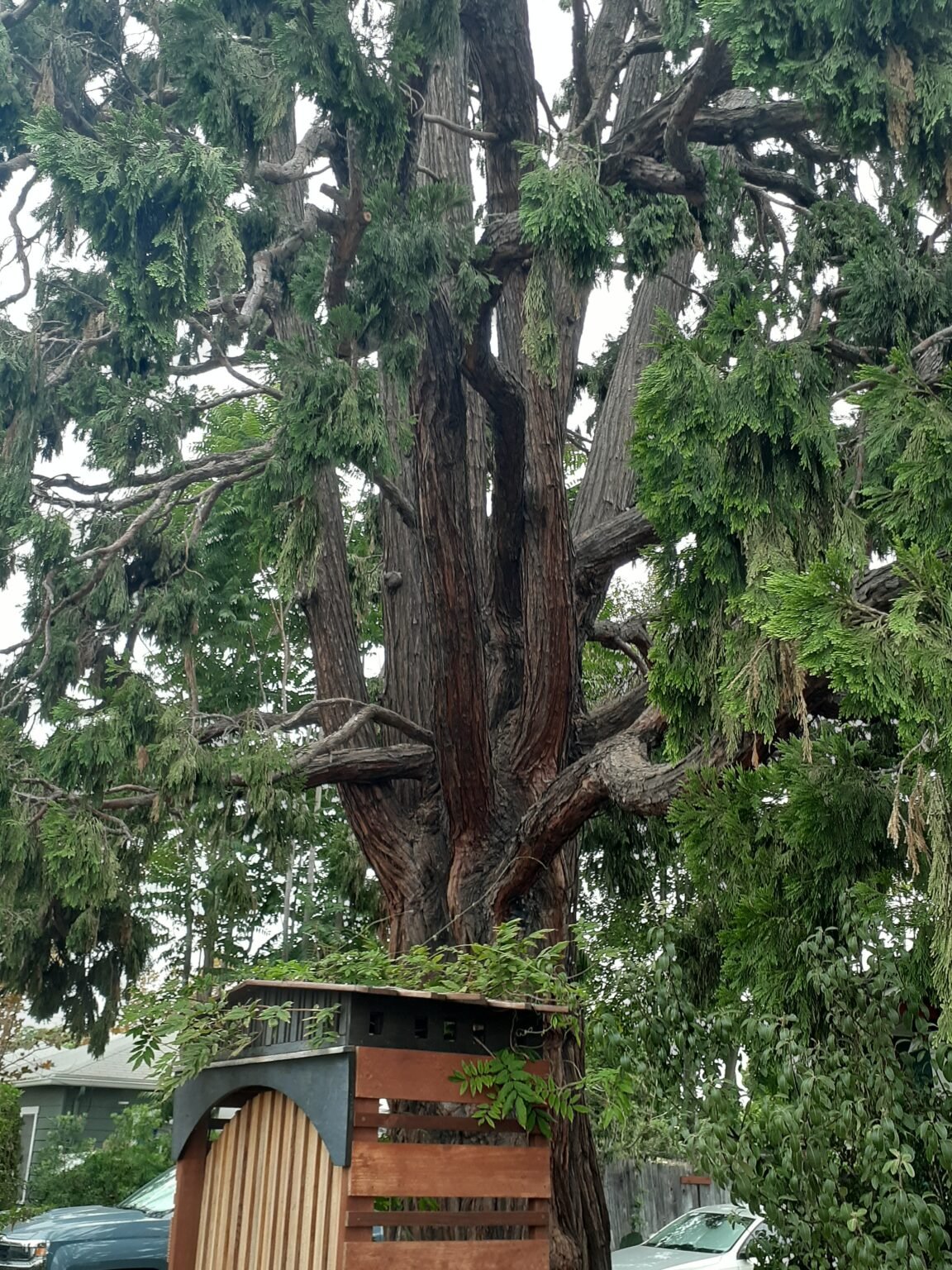
Incense-cedar (Calocedrus decurrens) is a fragrant and stout companion in residential landscapes.

Five fragrant and versatile plants

Arabian jasmine (Jasminum sambac): This vining shrub produces what is considered the most fragrant jasmine flower. It is a summer bloomer that produces a mass of small white flowers that fill the air with floral, fruity, and vanilla scents.

Incense-cedar (Calocedrus decurrens): Thick-trunked and determined in the right location, incense-cedar is highly aromatic when jostled, handled, or wet. Its foliage is commonly used for celebrations, especially in December. Incense-cedar provides a resinous base note.

Lemon-scented eucalyptus (Corymbia citriodora): A common tree along the West Coast, this stately and stark tree provides a lemony uplifting fragrance that few find offensive. Branches full of leaves provide a needed boost to the dank parts of a building, such as bathrooms and laundry rooms.

Sage (Salvia spp.): There is a fragrant sage for every garden and any of the aromatic sages will have an impact when brought indoors. Black (S. mellifera), Cleveland (S. clevelandii), cooking (S. officinalis), purple (S.  leucophylla), and white sages (Salvia apiana) are the ones best suited for my Southern California neighborhood.

Tea tree (Melaleuca alternifolia): A robust Mediterranean tree that conserves resources, provides dense shade, and has a strong refreshing fragrance that reminds me of a clean house, which makes sense as its essence is in many household cleaning products because of its antimicrobial properties.

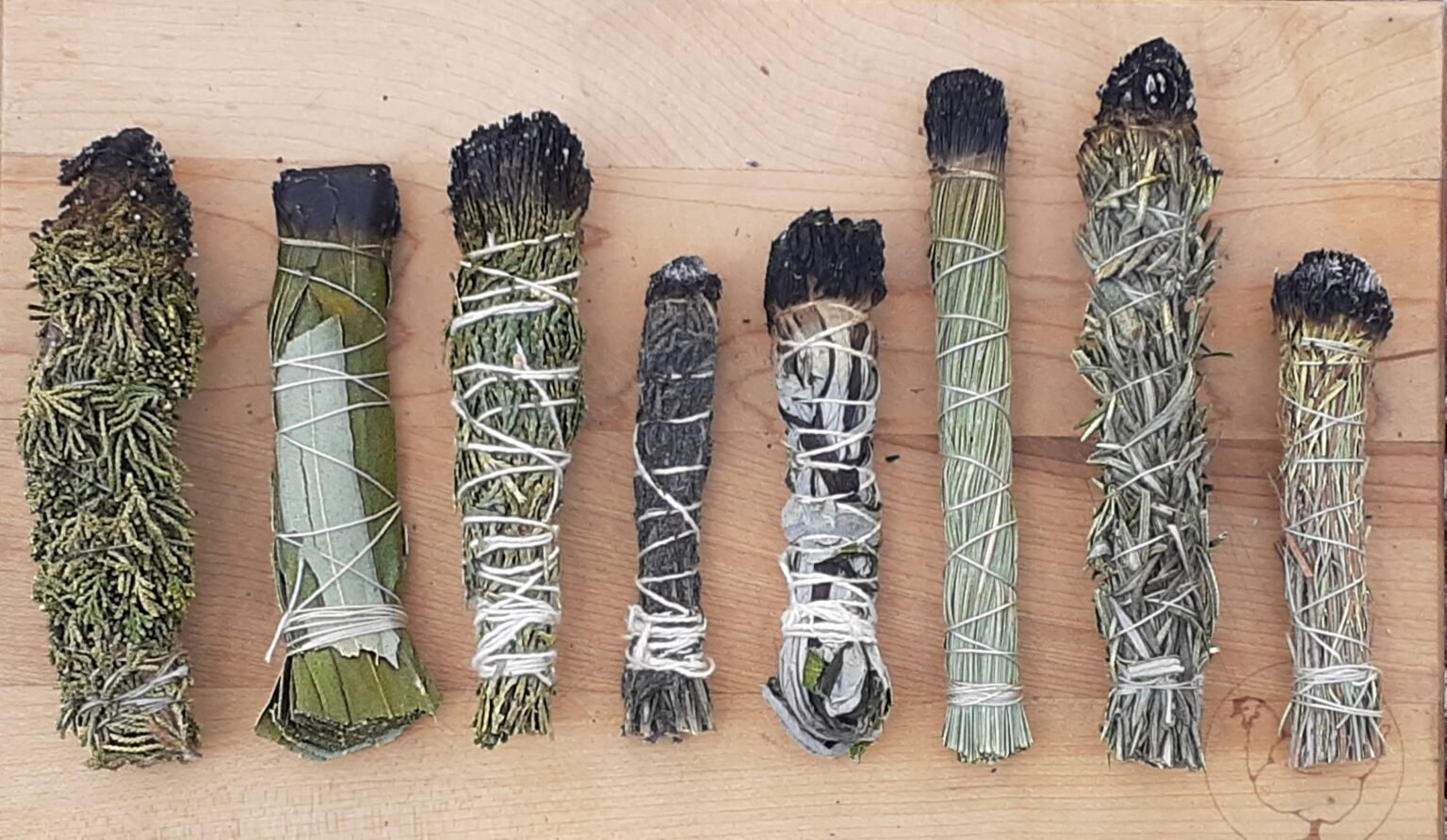
Cleansing sticks of incense-cedar (Calocedrus decurrens), blue gum eucalyptus (Eucalyptus globulus), tam juniper (Juniperus sabina), French lavender (Lavandula spp.), California mugwort (Artemisia douglasiana), Canary Island pine (Pinus canariensis), rosemary (Salvia rosmarinus), and tea tree (Melaleuca alternifolia) enliven a bathroom.

Tea

If not for the floral fragrances and rich earthy flavors, then for the health benefits, drinking tea has been surging in the US. While an ancient practice worldwide, it took a health craze to propel tea drinking to a common occurrence here (it was seen as unpatriotic following the revolution and that sentiment lingered). Since the 1990s the number of tea cafes and tea sold in grocery stores has steadily climbed (Bhavsar and Giri 2025).

The most popular tea plant, by a large margin, are the leaves and buds of camellia (Camellia sinensis var. sinesis and C. sinensis var. assamica) the plant responsible for green, white, oolong, and black teas. There are, however, hundreds of other plants used for tea, and the tea you concoct might include bark, bud, leaf, root, seed, or shoot.

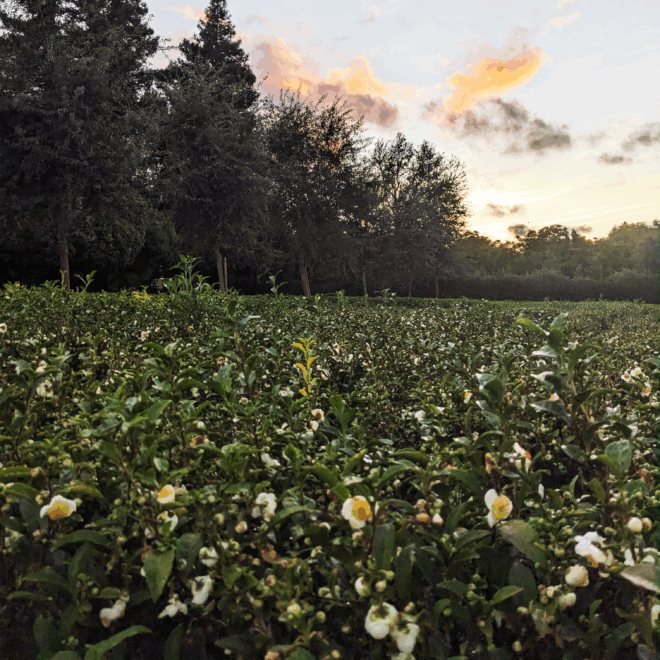
A field of tea plants (Camellia sinensis) growing at Redwood Estates, Stockton, California. Picture by Patrick Sunbury.
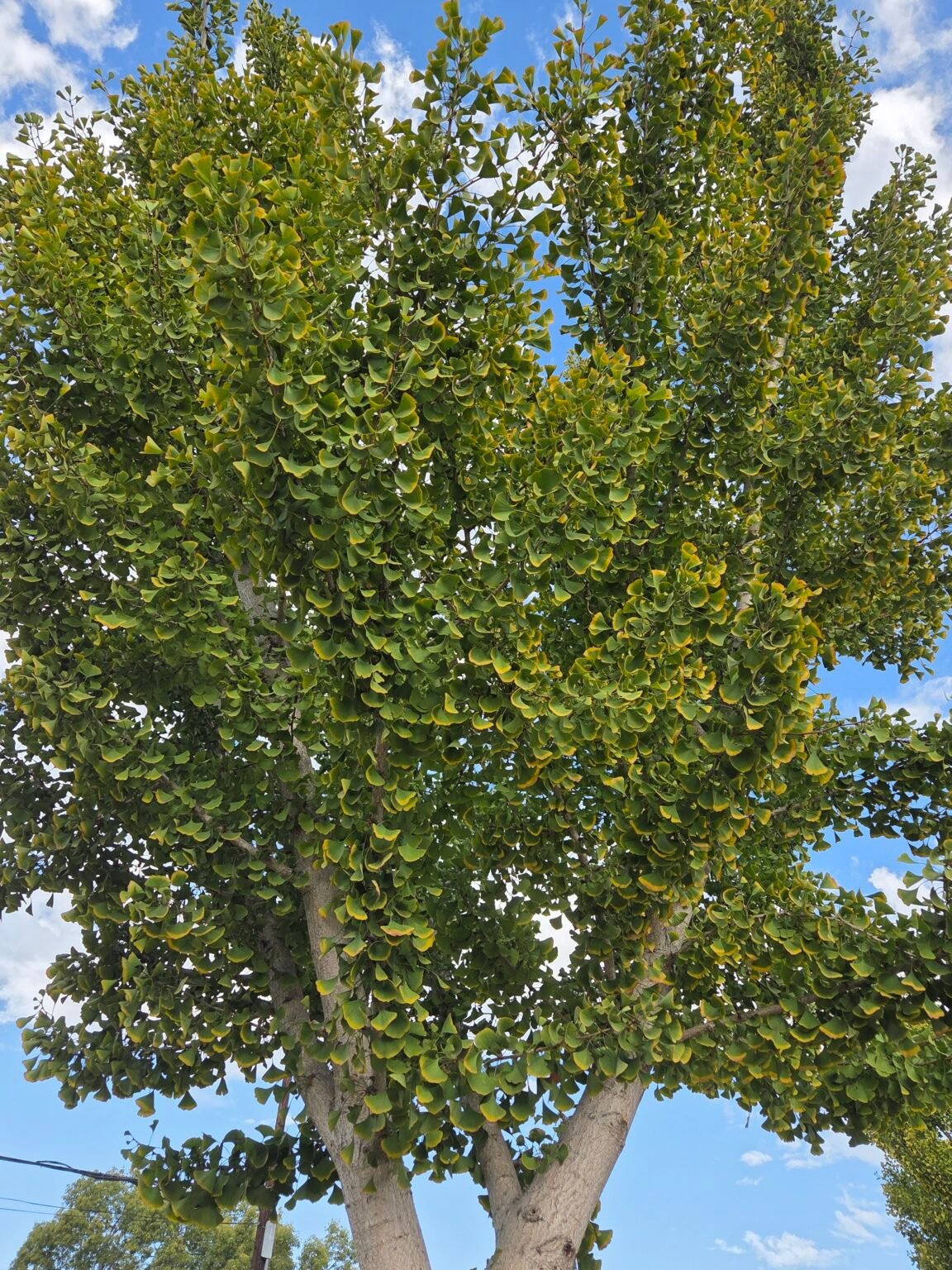
Maidenhair tree (Ginkgo biloba) leaves have long been used for tea in China. The leaves are harvested just as they turn yellow in fall (as shown).

As one of the few tea farmers in California, Patrick Sunbury, of Redwood Estates, is also one of tea’s biggest advocates. “Tea provides a calm and consistent energy that is less intense than coffee. It also has a powerful antioxidant EGCG (Epigallocatechin gallate) that is exclusive to tea (Camellia). Loose leaf teas are best—they are more flavorful and have greater health benefits (than packaged).” He encourages everyone to grow and drink fresh tea and claims that most West Coast gardeners can grow tea.

Six easy-to-grow and healthy teas

Of the many plants commonly grown for herbal tea, such as chamomile, lavender and mint, here are six that are easy to grow, provide big benefits, and might serve some other goal in a garden, such as screening or shading.

Bay laurel, California (Umbellularia californica) and sweet (Laurus nobilis): A tree or shrub, depending on the variety and where grown. Only brew one washed leaf and let it steep for seven minutes. I also add honey. This is a strong and enlivening tea.

Tea plant (Camellia sinensis) A shrub that can grow to 15 feet tall. It prefers acidic soil, partial shade, and moderate moisture. The leaves and flower buds are either brewed fresh or cured via fermentation or oxidation.

Dandelion (Taraxacum spp.): A perennial herb that can grow to six inches. If you do not have this plant, your neighbor does. I brew the flowerheads, flower petals, and roasted roots for tea. It has a rich, earthy, soil-like taste.

Maidenhair tree (Ginkgo biloba): A deciduous tree that might grow to 50 feet tall. Use leaves when they are just turning yellow mid-fall. I use three leaves per cup and let it steep for 10 minutes. It has a light earthy taste with hints of seaweed.

Pineapple weed (Matricaria discoidea): Also known as wild chamomile, a widespread annual herb that is also native to the West Coast. It might get to one foot tall, but rarely. Easy to grow and it could already be a weed in your garden. I use eight flowerheads when in bloom and let it steep for 10 minutes. The taste is slightly floral and sweet. Interestingly, Matricaria was found on the dental tartar of Neanderthals over 60,000 years ago, making it one of the oldest known medicinal herbs (Hardy et al. 2012).

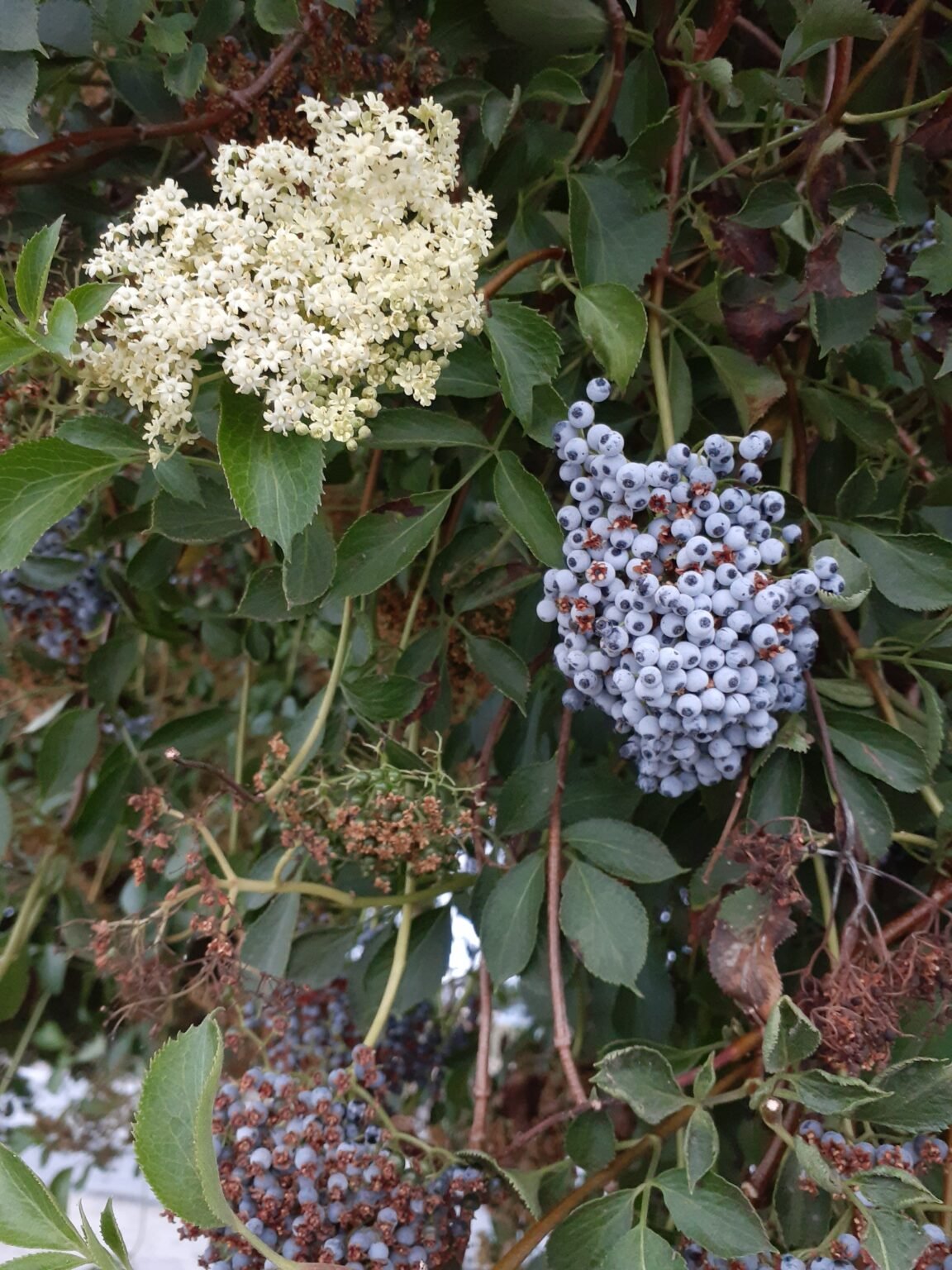
Elderberry (Sambucus mexicana): A fast-growing shrub that can reach up to 30 feet tall, providing food and shelter for wildlife.  While all parts of this plant have high concentrations of the same cyanide-containing compounds found in apple seeds and apricot kernels, this compound breaks down with sufficient heat. Careful preparation of both the edible flowers and cooked ripe berries yields rejuvenating teas. While you should not eat the raw berries, stems, or the leaves of this plant, it is still worth experiencing elderflower when prepared safely.  Many Indigenous nations, including the Costanoan, Kawaiisu, and Pomo nations, use elderberry teas to reduce fevers and alleviate colds and flus. (BRIT n.d.; Brodt et al. 2024).

Cultivating healthy humans has long been a pursuit of mine. What better way to incentivize active participation with a landscape than to use plants that can be regularly used to lift spirits, calm minds, and make people feel better about themselves? 

 “Clearly, nature calls to something very deep inside of us, and biophilia, the love of nature and living things, is an essential part of the human condition. Hortophilia, the desire to interact with, manage, and tend nature, is also deeply instilled in us,” wrote Oliver Sacks in his forward for Restorative Commons (2009). He later explained, “The effects of nature’s qualities on health are not only spiritual and emotional, but physical and neurological.”

Tea is made from the flowers and berries of blue elderberry (Sambucus mexicana). Elderberry has many ethnobotanical uses, including teas that reduce fevers and alleviate colds and flus.

These plants can provide incredible care if they are within reach of the people that need them. Go out and garden. Our health depends on it.

Resources

Three technically inspiring books

  • Jessi Bloom. 2018. Creating Sanctuary: Scared Places, Plant-Based Medicine, Daily Practices to Achieve Happiness and Wellbeing. Timber Press.
  • Restorative Commons: Creating Health and Well-Being through Urban Landscapes. 2009. Edited by Lindsay Campbell and Anne Wiesen. USDA Forest Service, Northern Research Station. Available through the US Forest Service.
  • Robin Kimmerer. 2013. Braiding Sweetgrass: Indigenous Wisdom, Scientific Knowledge, and the Teachings of Plants. Milkweed Editions.

Berman, Marc G., Ethan Kross, Katherine M Krpan, et al. 2012. “Interacting with nature improves cognition and affect for individuals with depression.Journal of Affective Disorders 140 (3): 300–305.

Bhavsar, Nikansh and Shrikant Giri. 2025. “Tea Restaurant Market Size & Share.” Industry Report 2033, last updated October 25.

Bloom, Jessi. 2018. Creating Sanctuary: Scared Places, Plant-Based Medicine, Daily Practices to Achieve Happiness and Wellbeing. Timber Press.

Brodt, Sonja, Sabine Talaugon, and Gwenael Engelskirchen. 2024. “When ‘New’ Crops Are Not Really New: California Indigenous Communities and Research and Commercialization of Elderberry.” California Agriculture 78: 3–4.

BRIT: Native American Ethnobotany Database. n.d. “Sambucus nigra ssp. caerulea (Raf.) R. Bolli.” Accessed March 3, 2026.

Cambell, Lindsay and Anne Wiesen. 2009. “Restorative Commons: Creating Health and Well-Being through Urban Landscapes.” General Technical Report NRS-P-39. U.S. Department of Agriculture, Forest Service, Northern Research Station.

Feldmar, Jamie. 2018. “Gardening could be the hobby that helps you live to 100.” BBC, December 10.

Glausiusz, Josie. 2007. “Mind & Brain/Depression and Happiness—Raw Data’ Is Dirt the New Prozac?Discover Magazine, June 13, 2007.

Hardy, Karen, Stephen Buckley, Matthew J Collins, et al. 2012. “Neanderthal medics? Evidence for food, cooking, and medicinal plants entrapped in dental calculus.” Naturwissenschaften 99 (8): 617–626.

Li, ZH-Hoa, Xi-Ru Zhang, Yue-Bin Lv, et al. 2020. “Leisure Activities and All-Cause Mortality Among the Chinese Oldest-Old Population: A Prospective Community-Based Cohort Study.” Journal of American Medical Director’s Association 6: 713–719.

Lowry, CA, JH Hollis, A de Vries, et al. 2007. “Identification of an immune-responsive mesolimbocortical serotonergic system: potential role in regulation of emotional behavior.” Neuroscience 146: 756–72.

McCallum, John, Leon A Simons, Judith Simons, Yechiel Friedlander. 2007. “Delaying Dementia and Nursing Home Placement: the Dubbo study of elderly Australians over a 14-year follow-up.” Annals of the New York Academy of Sciences 1114: 121–129.

Schlanger, Zoe. 2024. The Light Eaters: How the Unseen World of Plant Intelligence Offers a New Understanding of Life on Earth. HarperCollins.

Society of American Florists. 2018. “Health by Design: University Research Reveals Surprising Solution for Relieving Stress.”  About Flowers. Accessed January 2, 2021.

Soga, Masashi, Kevin J Gaston, Yuichi Yamaura. 2016. “Gardening is beneficial for health: A meta-analysis.” Preventative Medicine Reports 5:92–99.

Sowndhararajan K, Kim S. 2016. “Influence of Fragrances on Human Psychophysiological Activity: With Special Reference to Human Electroencephalographic Response.Scientia Pharmaceutica 84 (4):724–751.

Thompson, Richard. 2018. “Gardening for Health: A regular dose of gardening.Clinical Medicine 18 (3).

Degradation of cyanogenic glycosides of bitter apricot seeds (Prunus armeniaca) by endogenous and added enzymes as affected by heat treatments and particle size – ScienceDirect 

Share:

Facebook
LinkedIn
Email
Print

Responses

Related Posts

Powered By MemberPress WooCommerce Plus Integration